Why Professional Drain Cleaning Matters for Your Property

Last Updated: November 8, 2026
Quick Summary
Professional drain cleaning matters because it removes the cause of a blockage rather than punching a temporary hole through it, so you pay once instead of repeatedly. Drain cleaning is the mechanical removal of grease, scale, silt, soap residue and organic build-up from inside a drainage system, using equipment that reaches, cuts and flushes the full bore of the pipe.
An annual professional clean is enough for most homes, while commercial kitchens and pubs need quarterly cleaning.
High-pressure hydro-jetting scours the full circumference of the pipe, removing grease, scale, silt and root intrusion.
CCTV drain surveys record pipe condition and the cause of a blockage on screen, replacing guesswork with knowledge.
Landlords should confirm in writing at the start of every tenancy what must not go down the drains.
A blockage that returns within months often has a cause that was not identified on the first visit.
Paying for the same blockage twice?
BrightFlow Limited clears drains, finds the cause with CCTV and sets a maintenance plan that stops repeats.
Table of Contents
Why Professional Drain Cleaning Matters More Than a Quick Fix
Pouring a bottle of caustic soda down a slow drain feels like a solution. It rarely is. Professional drain cleaning matters because it removes the cause of a blockage rather than punching a temporary hole through it, and that difference decides whether you pay once or pay repeatedly.
Drain cleaning is the mechanical removal of grease, scale, silt, soap residue and organic build-up from the inside of a drainage system, using equipment that can reach, cut and flush the full bore of the pipe. A plunger or a shop-bought drain chemical cannot do that. It shifts enough material to get water moving, then leaves the rest to harden again.
That is the core of why professional drain cleaning matters more than a quick fix: blockages are rarely a single object stuck in a pipe. They are a build-up that narrows the pipe over months. Clear the symptom and the cause stays put.
Signs You Need Professional Drain Cleaning
The clearest sign you need professional drain cleaning is a drain that has slowed more than once, or water that drains but gurgles, smells or backs up elsewhere in the property. One slow sink is a nuisance. The same sink slowing three times in a year is a pattern, and patterns point to a build-up further along the run.
Watch out: repeated chemical treatments on a recurring blockage can damage older pipe joints and leave you with a leak on top of a blockage. If a drain has needed more than two shop-bought treatments in a year, stop treating and start diagnosing.
Slow drainage and gurgling sounds
Water pooling around a plughole and draining slowly, or a gurgle from a nearby trap when an appliance empties, usually means air is being pulled through a partly blocked pipe. In a shared building, a gurgling bath can be the first sign that a communal stack is narrowing. Left alone, slow drainage becomes standing water, and standing water in a kitchen or bathroom is a hygiene problem before it is a plumbing one.
Foul odours and recurring blockages
A drain that smells even when it is running freely is holding residue on the pipe walls. That residue, a mix of grease, soap and organic matter, is what biofilm feeds on, and biofilm is what turns a small obstruction into a full blockage. Recurring blockages at the same point in the system are the strongest signal that the pipe needs a proper clean rather than another unblock. If sewage is backing up or an external drain is overflowing, that is an emergency, and our emergency drain unblocking service runs around the clock for exactly that situation.
Professional Drain Cleaning Methods and What Each One Does
Professional drain cleaning methods fall into two groups: those that clear the pipe and those that tell you what is wrong with it. A good engineer uses both. Clearing without diagnosing is how a property ends up with three different explanations for the same blockage.
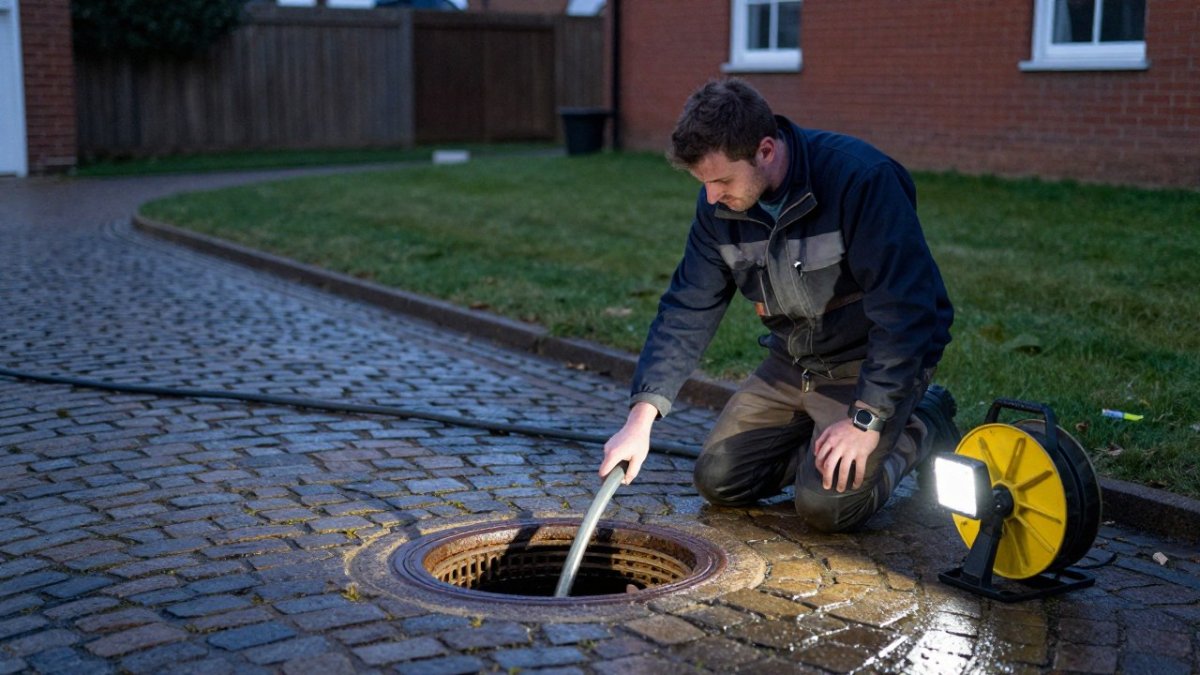
High-pressure hydro-jetting uses water at controlled pressure and volume, directed through a specialist nozzle, to scour the full circumference of the pipe. It removes grease, scale, silt and root intrusion rather than coring a hole through them.
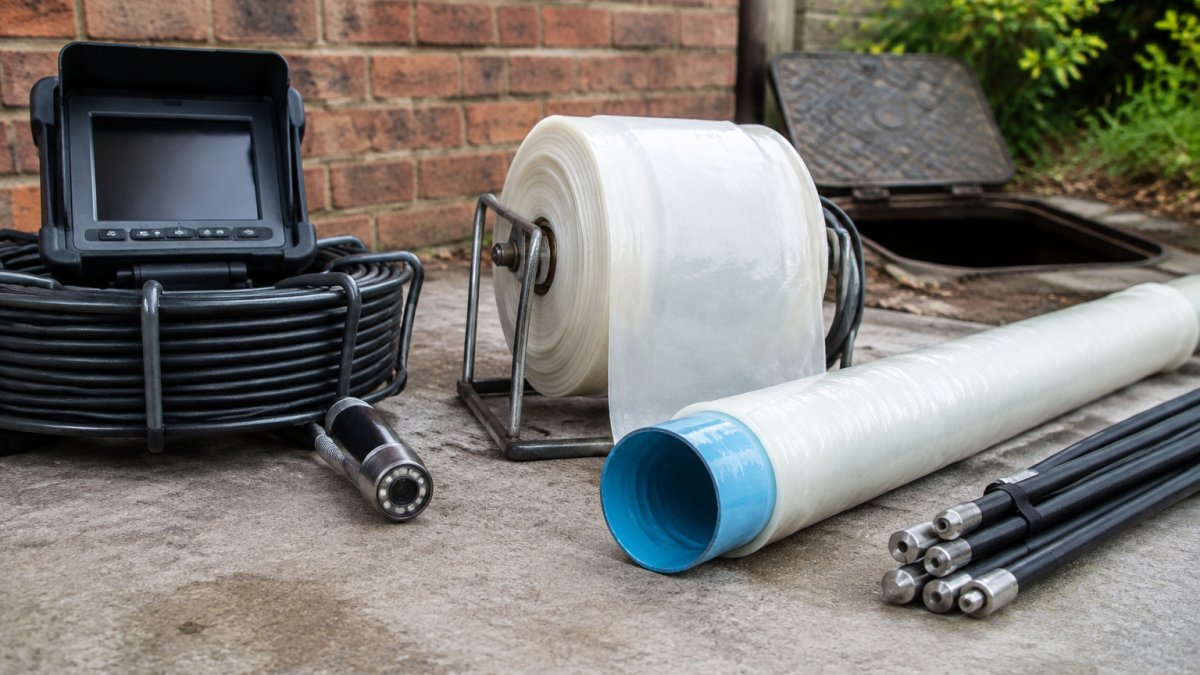
CCTV drain surveys send a camera along the run to record the condition of the pipe, the location of any defect, and the cause of the blockage on screen. This is the difference between guessing and knowing.
Method | What it clears | Best for | Limitation |
Drain rodding | Soft blockages, root tips | Simple, accessible runs | Limited reach and cleaning |
High-pressure jetting | Grease, scale, silt, roots | Full-bore cleaning of most pipes | Pressure must suit pipe material |
CCTV survey | Nothing, it diagnoses | Confirming cause and pipe condition | Needs a clean pipe to see clearly |
Electro-mechanical cleaning | Hard scale, heavy root mass | Stubborn or recurring blockages | Specialist equipment required |
How Often to Have Drains Professionally Cleaned
For most homes, an annual professional clean is enough. For commercial kitchens, busy pubs and properties with mature trees nearby, quarterly cleaning is the safer routine. The right interval depends on what goes into the system, not on a calendar.
A domestic property with two occupants and no history of blockages can often go longer between cleans, provided the early warning signs are acted on. A restaurant kitchen producing heavy grease loads cannot. Grease cools and sets on the pipe wall, and once a layer forms, every subsequent service adds to it.
If you are deciding on a schedule for a commercial site, our commercial drainage planned maintenance service covers scheduled jetting and CCTV inspection so the interval is set by the condition of your system rather than guesswork.
Drain Maintenance Tips for Landlords and Property Managers
Landlords and property managers carry the cost of every call-out and the risk of every escape of water, so drain maintenance pays back faster for them than for owner-occupiers. The aim is not to eliminate call-outs entirely but to shift the balance from reactive unblocks to planned, predictable work.
A written routine for tenants prevents most of the blockages we are called to. The checklist below is the minimum we recommend for any rented property:
Confirm in writing at the start of every tenancy what must not go down the drains: cooking fat, wet wipes (including those labelled flushable), sanitary products, cotton buds, coffee grounds and food scraps.
Fit strainers to every sink, bath and shower waste, and check they are still in place at each inspection.
Ask tenants to report slow drainage immediately, not when it stops draining altogether.
Book a scheduled clean and CCTV check on any property with a history of blockages before the next tenancy starts, not after a problem emerges.
Keep a record of every drainage visit, including what was found and which section of the run was affected, so patterns across a portfolio become visible.
For a portfolio of flats, the same blockage appearing in different units often traces back to one shared run. Our guide on how to stop your drains blocking again and again sets out how to break that cycle rather than paying for the same unblock twice.
How often a rental property needs a professional clean depends on usage, not on a fixed calendar. Commercial kitchens, busy pubs and takeaways producing heavy grease loads should be on a quarterly schedule; grease cools and sets on the pipe wall, and once a layer forms, every subsequent service adds to it.
Watch out: a landlord who relies on tenants to report problems will usually hear about a blockage only when water is already backing up.
The Hidden Costs of Ignoring Blocked Drains
The invoice for an unblock is the smallest cost of ignoring a drainage problem.
It helps to separate the costs into three layers: the call-out itself, the diagnostic work, and any repair that follows. Pricing for each depends on the specifics of the job, and current prices or a tailored quote are available on the BrightFlow Limited website.
A common pattern is that a property with a recurring blockage has already paid for two or three unblocks before anyone surveys the pipe. Investigating the cause early is usually the more economical course over time.
There is a compliance dimension too. Our guide to avoiding hidden costs in drainage repairs covers where these costs typically hide.
Watch out: when comparing quotes, check what each one includes before comparing prices, as a headline figure may not cover every element of the job.
What Happens During a Professional Drain-Cleaning Visit
A professional visit starts with questions, not equipment. We ask where the water backs up, how often, and whether it happens when a particular appliance runs. That conversation usually narrows the problem to a section of the run before a single tool comes off the van.

From there the sequence is consistent:
Lift the relevant inspection covers and check the flow at each access point.
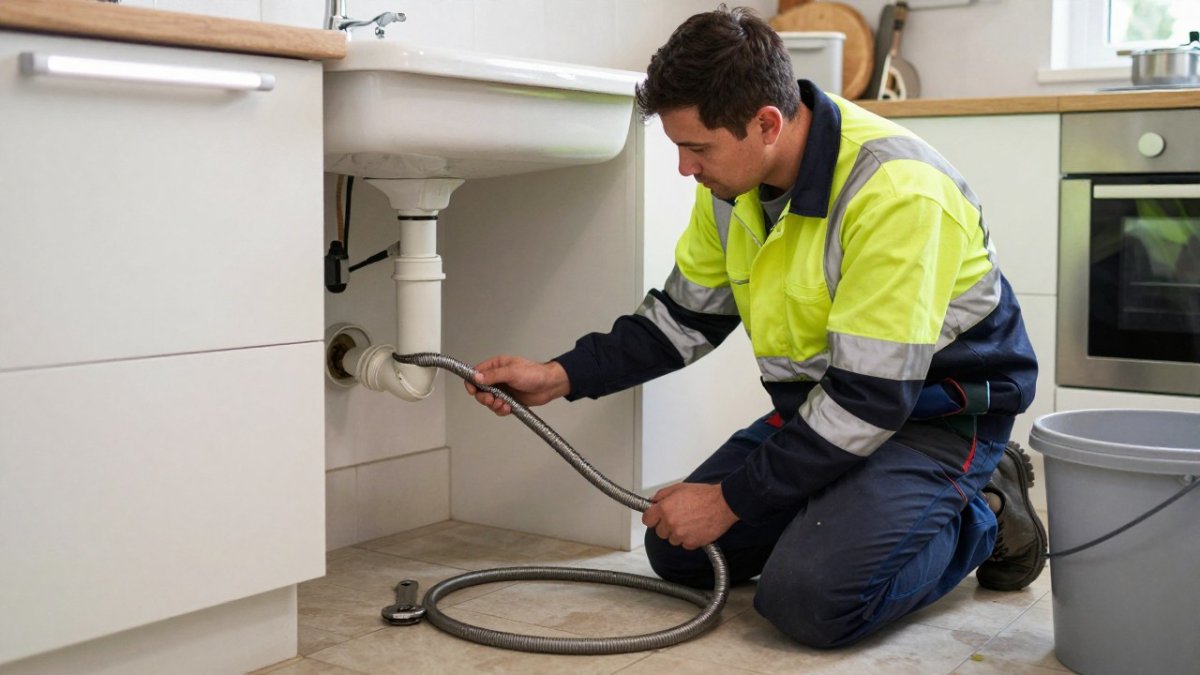
Clear the blockage with the method suited to the pipe and the material inside it.
Flush and confirm the full run is flowing, not just the first section.
Run a CCTV survey where the cause is unclear or the blockage has recurred.
Report what was found and what, if anything, needs repair.
A blockage that returns within months often has a cause that was not identified on the first visit.
Request a Drain Assessment from BrightFlow Limited
The pattern behind most repeat drainage bills is simple: the blockage was cleared, the cause was not. Breaking that pattern starts with an assessment that identifies what is actually happening inside the pipe.
We are SafeContractor accredited, fully insured, and approved to receive work through EVO, Able Group/Viabl Ltd and OnTime Plumbers. Our rates are upfront and honest with no hidden surprises. We respond around the clock for emergencies, and we offer customised maintenance plans for residential and commercial clients.
Get started with BrightFlow Limited and replace repeat unblocks with a drainage system that keeps flowing. Visit our domestic drainage service page to arrange an assessment.
If your drains have been cleared more than once in the past two years, the next step is a proper diagnosis rather than another unblock. BrightFlow Limited provides 24/7 emergency response, upfront and honest rates agreed before work begins, and advanced hydro-jetting with high-definition CCTV to find the real cause. Get in touch to book a drain assessment and protect your pipework before the next blockage arrives.
Frequently Asked Questions
Why is professional drain cleaning important?
Professional drain cleaning removes the grease, soap residue, organic matter and biofilm that household products cannot shift. Left in place, this build-up narrows pipework, causes recurring blockages and puts pressure on joints, which leads to leaks and costly repairs. A professional clean restores normal water flow, reduces foul odours and hygiene risks, and protects the lifespan of your drainage system. It also catches structural faults early through CCTV inspection, before they turn into flooding or water damage.
How often should drains be professionally cleaned?
Cleaning frequency depends on how the property is used and what enters the drains. Commercial kitchens, pubs and restaurants generally need more frequent attention because grease builds up faster. Properties with mature trees nearby benefit from periodic checks for root ingress. If you have had recurring blockages, a drainage survey will show whether a more frequent schedule is needed.
Is it safe to use chemical drain cleaners?
Chemical cleaners can damage older pipework, rubber seals and plastic joints, and they rarely clear a full blockage. They also pose health hazards if splashed and can react badly when mixed with other products. Mechanical methods such as hydro-jetting and CCTV-guided cleaning are safer for your plumbing installation and give a lasting result. If a drain is fully blocked, call a professional rather than pouring more chemicals down it.
What should I do to maintain my drains between professional cleans?
Never pour cooking oil or fat down the sink; collect it and bin it. Use drain strainers in sinks and showers to catch debris and hair, and flush with hot water weekly. Avoid flushing wet wipes, even those labelled flushable. Landlords should arrange annual inspections and keep records of any work done. If you notice slow drainage or gurgling, book a professional drain cleaning service early rather than waiting for a full blockage.
Comments