How to Handle a Blocked Drain as a Landlord

Quick Summary
Drain unblocking in a rental is usually the landlord's responsibility, provided the blockage is in a private drain and not caused by tenant misuse. Respond to tenant reports quickly, confirm in writing, and check whether the problem lies in a private drain or a public sewer before booking work.
Private drains are normally the landlord's responsibility, while the water company's sewerage provider handles the main public sewer.
The Landlord and Tenant Act 1985 requires landlords to keep the structure and exterior of a let property in repair, including drains.
Acknowledge a tenant's blocked drain report within 24 hours and reply in writing.
Record the affected fittings and take photos or video before any work starts.
Tenants who flush wet wipes, sanitary products, cooking fat or food waste may be liable for the repair cost.
Blocked drain in a rental property?
BrightFlow Limited diagnoses the real cause with CCTV and hydro-jetting, with upfront rates.
Table of Contents
Who Is Responsible for Blocked Drains in a Rented Property?
A blocked drain in a rented home is usually the landlord's problem, but not always (Private renting: Repairs). The answer depends on where the blockage sits and what caused it. Landlords often lose time and money because they assume the wrong party pays, so getting drain unblocking responsibilities right early saves a lot of argument later.
Private Drains Versus Public Sewers
Most blocked drains in a rented flat or house are private drains. These run from your property to the point where they join the public sewer. The owner, or the landlord in a let, normally carries the repair duty for these pipes.
Public sewers are different. The water company, through its sewerage provider, is responsible for the main sewer under the road. Check which section you are dealing with before you book any work.
Private drain: Usually the landlord's responsibility
Public sewer: The sewerage provider's responsibility
Shared drain: Often needs agreement between neighbours
Landlord Duties Under the Landlord and Tenant Act 1985
Under the Landlord and Tenant Act 1985 on legislation.gov.uk, landlords must keep the structure and exterior of a let property in repair. Drains and sanitary fittings often fall within this duty. Tenants are not expected to fix these problems at their own cost.
The duty applies to the property as a whole, so a sudden blockage in a shared or structural drain is typically the landlord's cost.
When Tenant Misuse Shifts the Cost
A tenant who causes a blockage through misuse may be liable for the repair. Common culprits include:
Wet wipes and sanitary products flushed down toilets
Cooking fat and oil poured down sinks
Food waste put down the waste disposal
Keep the tenancy agreement and any move-in report to hand. They help show what condition the drain was in at the start.
What to Do When a Tenant Reports a Blocked Drain
A tenant report should trigger a quick, organised response. Delay can turn a simple clear into a flood, and a muddled response makes it harder to establish cause later. A prompt, documented reply protects both your property and your relationship with the tenant.

A Landlord Response Checklist and Timeline
Work through these steps in order, and keep a written record of each one:
Acknowledge the report within 24 hours. Reply in writing (email or message) and ask which fittings are affected, whether water is backing up or draining slowly, and whether there is any smell or overflow. A written trail from the first contact is the single most useful piece of evidence if costs are later disputed.
Ask the tenant to stop using the affected drain. Tell them not to use the toilet, sink, bath or washing machine that drains to the affected run until it is cleared. If the property has only one toilet, agree a practical alternative early rather than leaving the tenant to improvise.
Carry out a remote triage. Ask the tenant to check other fittings: does the bath drain normally when the sink is blocked? Are neighbouring properties affected? This tells you whether you are dealing with a local blockage or a shared run before you pay anyone to attend.
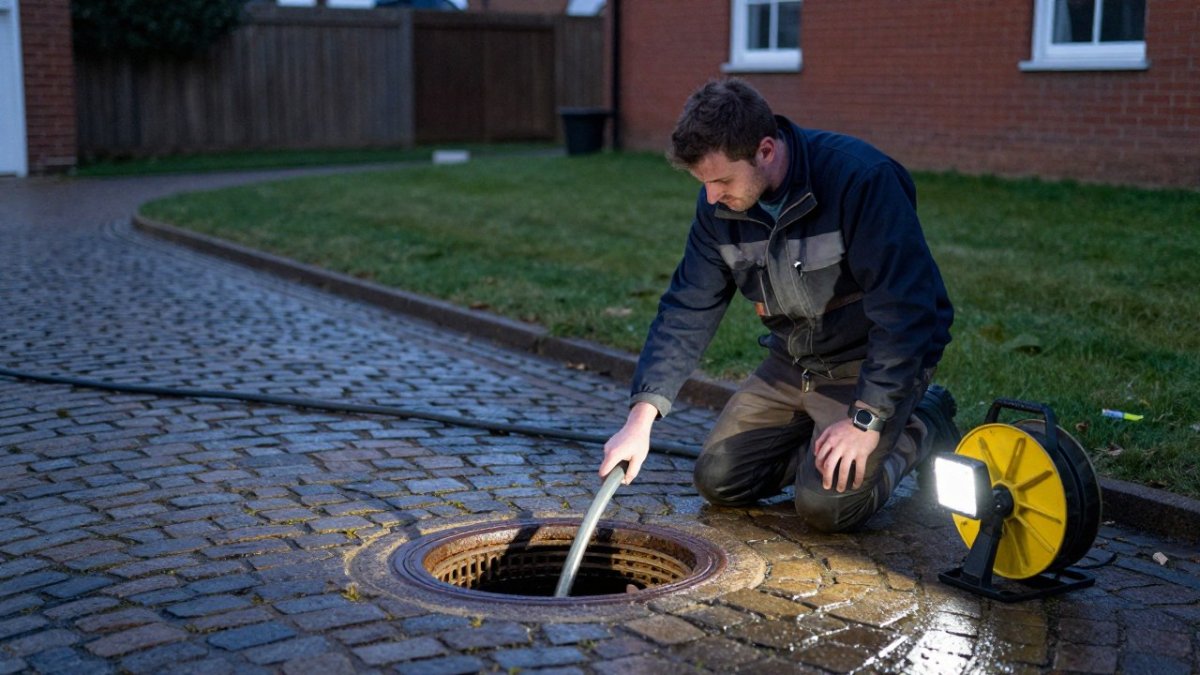
Check for an obvious cause at the nearest access point. Look for standing water, smells or overflow at the inspection chamber or manhole. Do not lift a manhole cover if it is in a public footpath or road without checking who owns that section first.
Book a drainage professional quickly. For sewage backups, a blocked sole toilet or water entering the home, aim to arrange access the same day. For a single slow-draining sink, a next-working-day visit is usually proportionate.
Agree access in writing. Confirm who will be at the property, the time window, and whether the tenant needs to be present. If the tenant cannot be there, agree a key or access arrangement and record it.
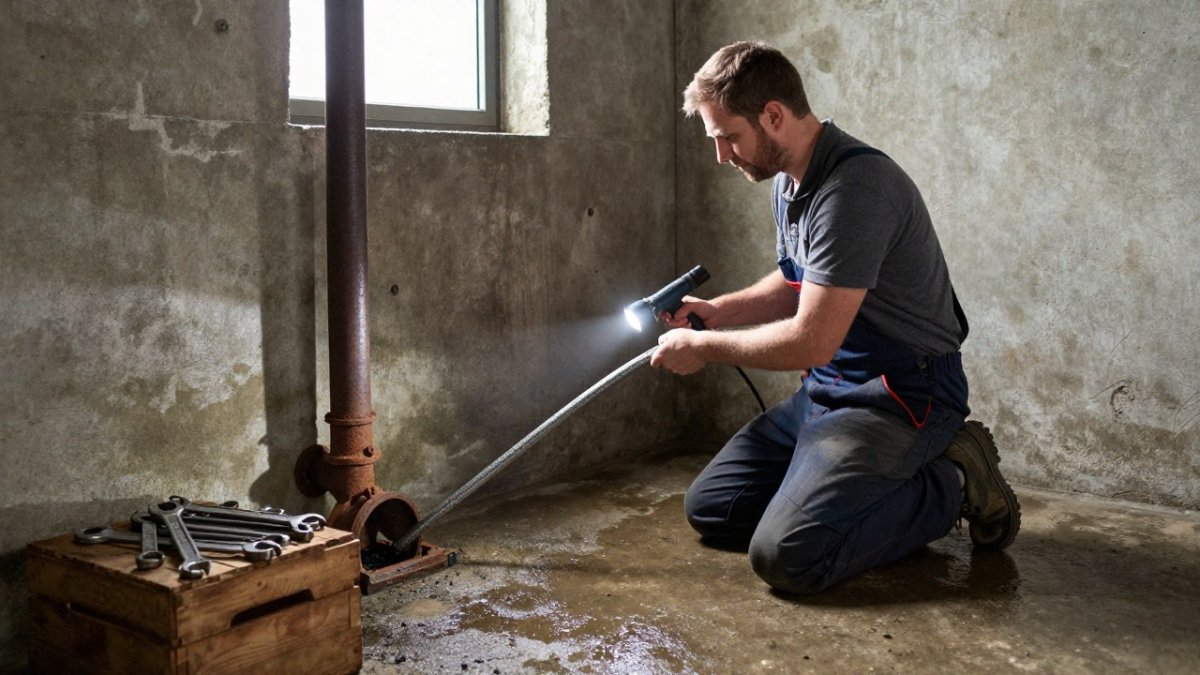
Record the visit and the outcome. Note the time, the engineer's findings, the method used (rodding, hydro-jetting, CCTV survey) and the fix. Ask for a written report or job sheet, not just an invoice.
Follow up with the tenant. Confirm the drain is flowing, ask them to report any recurrence, and keep the correspondence with the job record.
Watch out: if you authorise work before establishing whether the blockage is in a private drain or a public sewer, you may pay for a job that was never yours to fund.
Recording Evidence Before Any Work Starts
Take photos and videos of the affected sink, toilet or drain before anyone touches it.
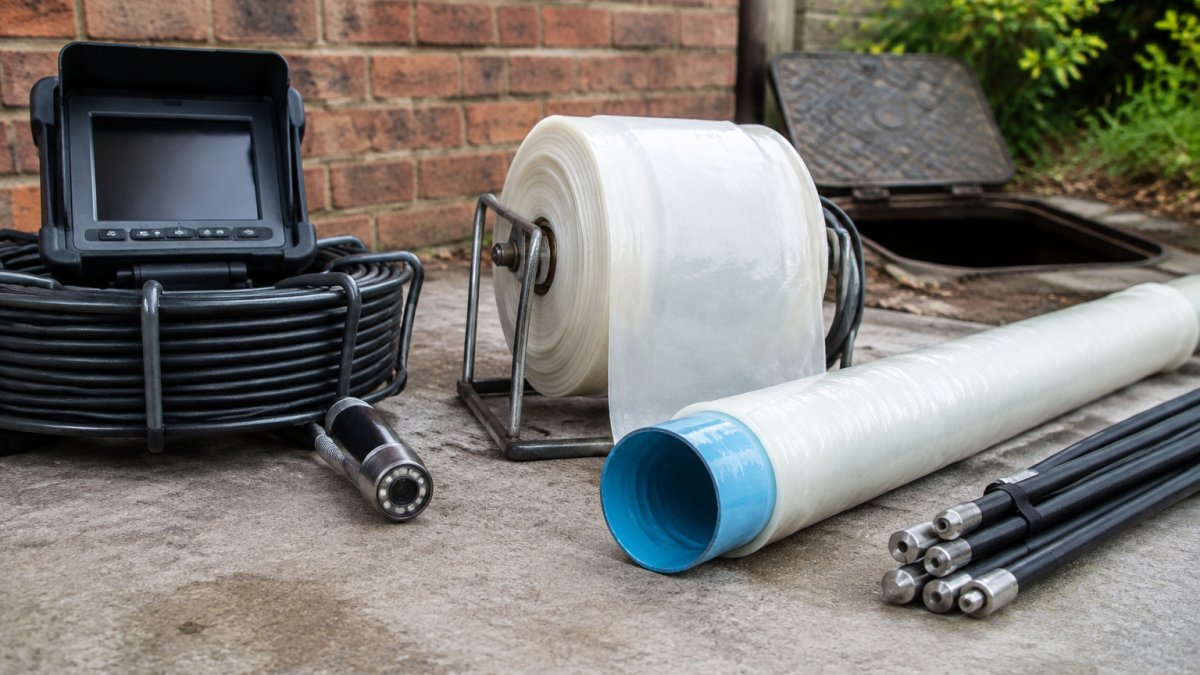
A short CCTV survey can be worth the extra cost where misuse is suspected, because the footage shows the condition of the pipe and the nature of the obstruction.
This evidence matters if you later need to show whether the tenant caused the blockage or whether it was a fault in the drain itself.
How to Tell a Local Blockage From a Shared or Public Sewer Problem
Not every blocked drain sits on your property. Knowing where the problem lies helps you choose the right contact and avoid paying for work that is not yours.
Skill Builder
A local blockage affects only one fitting, such as a single sink or bath. If neighbouring properties and other fittings on your site flow normally, the fault is probably in your private drain or the fitting itself.
A shared or public sewer problem usually shows up in several places at once. Watch for:
Water backing up in more than one property
Gurgling or bubbling in the toilet when a tap runs elsewhere
Manholes overflowing in the road or pavement
If you see these signs, contact your sewerage provider rather than paying for private work.
Emergency Drain Unblocking for Landlords: Triage and Tenant Safety
Some drain problems are emergencies. If you need urgent help, you can book emergency drain unblocking in Essex at any hour.
Sewage backing up into sinks, baths or floor drains
Raw sewage in the garden or near a utility room
A blocked toilet with no working alternative in the home
Keep the tenant out of the affected area until the problem is fixed. Make sure the tenant knows the emergency number and who to call.
Our UK Health and Safety Executive guidance on managing workplace hazards principles apply here too: identify the risk, limit exposure and act quickly.
Choosing a Drainage Engineer for a Rental Property
Choosing the right engineer makes a big difference. A poor job can cause repeat blockages, damage tenant belongings or leave you with a disputed bill. Ask questions before you agree to any work.
Vetting Credentials, Insurance and Access Arrangements
Before you hire anyone, check the following:
Accreditation: Look for recognised schemes such as SafeContractor
Insurance: Confirm public liability cover and ask for a copy
Access: Agree how the engineer will enter the property, and whether the tenant needs to be present
A reliable contractor will welcome these questions. Walk away from anyone who avoids them. For more questions to put to a contractor, see our guide to drainage guarantee and follow-up policy questions.
Typical Costs, Fair Cost Allocation and Preventing Repeat Blockages
Costs vary widely depending on the cause, access and time of day, so no responsible contractor should quote a fixed figure before seeing the job. What you can control is how the cost is allocated and how you prevent a repeat. This is where most landlord guides stop short, so treat the steps below as your working method rather than background reading.
Allocating the Cost Fairly
The starting point is the engineer's report, not the size of the bill. Use it to answer three questions: where was the blockage, what caused it, and was the pipe in good condition?
Fault in the drain or its condition: the cost is normally the landlord's, because the repair duty under the Landlord and Tenant Act 1985 covers drains and sanitary fittings.
Misuse by the tenant: the tenant may be liable, but only where you can show the cause. Wet wipes, sanitary products, cooking fat and food waste are the usual culprits, and a photograph or CCTV image of the obstruction is far stronger than an assertion.
Shared or public sewer: the cost may sit with the sewerage provider or be shared with neighbours, so establish ownership before authorising private work.
Where misuse is established, recover the cost by agreement first. Deducting from a tenancy deposit is possible but must follow the deposit protection scheme's dispute process, and you will need the report, photographs and correspondence to support it.
A Proportionate Maintenance Schedule
Prevention is cheaper than any call-out. A sensible schedule for a rented property looks like this:
At the start of each tenancy: check that traps, wastes and the inspection chamber are clear, and record their condition in the inventory.
Every six to twelve months: arrange a visual check of accessible drains and gullies, more often in older properties or where trees are close to the drain run.
Annually: consider a CCTV survey on older or previously problematic runs, particularly where roots or displaced joints are suspected.
Alongside the schedule, give tenants clear guidance at move-in: what not to flush or pour down drains, where the stopcock and inspection chamber are, and how to report a problem.
Watch out: a maintenance schedule is not a substitute for responding to a report.
For current prices and to request a quote, visit the BrightFlow Limited website or contact our team directly.
Book Your Drainage Assessment With BrightFlow
A blocked drain is stressful, but a clear process makes it manageable. Know who is responsible, respond quickly, document everything and choose a contractor you can trust. BrightFlow Limited is SafeContractor accredited and uses advanced hydro-jetting and high-definition CCTV to find the real cause, not just clear the symptom. Our upfront, honest rates mean no surprises on the final bill.
Last Updated: 8 November 2026
Frequently Asked Questions
Who is responsible for unblocking a drain in a rented property?
Responsibility depends on where the blockage sits and what caused it. Drains that serve only one property are usually the landlord's repair obligation, but tenants who cause a blockage through misuse, such as flushing wet wipes or pouring fat down a sink, may be liable for the cost of clearing it. Check the tenancy agreement, record the cause where possible, and call a drainage professional to confirm the source before agreeing who pays.
Can a landlord charge a tenant for drain unblocking?
A landlord can seek payment from a tenant only where the tenant's own actions caused the blockage and the tenancy agreement allows it. Under the Landlord and Tenant Act 1985, landlords generally must keep the structure and exterior and the drainage in repair, so routine or structural faults are not chargeable. Keep photographs, the engineer's report and the invoice, and tell the tenant in writing what you are claiming and why.
How can you tell whether a tenant caused a blocked drain?
A blockage that appears suddenly in one sink or bath, with debris such as hair, fat or wet wipes present, often points to tenant misuse. A blockage affecting several fittings, or one that recurs despite careful use, more often points to a fault in the private drain or a shared line. A drainage engineer using CCTV can inspect the pipework and show whether the obstruction is a build-up of debris or a structural defect such as root ingress.
How should landlords choose a drain unblocking company?
Look for SafeContractor accreditation, public liability insurance and a written quote that states what is included. Ask whether the company can carry out CCTV surveys, hydro-jetting and emergency call-outs, and whether it offers follow-up work if the blockage returns. Good providers explain the cause they have found and give clear pricing before any work begins, so you can compare quotes on like-for-like terms.
Comments