Commercial Grease Trap Cleaning Services Essex: How to Book

Last Updated: 23 October 2026
Quick Summary
You book commercial grease trap cleaning in Essex by choosing a contractor who documents the waste removed, checks the pipework beyond the trap and offers a maintenance plan rather than one-off visits. Confirm the engineer will inspect downstream pipework, ask for waste transfer documentation and agree the next visit date before they leave.
Most commercial kitchens need their grease trap cleaned every four to twelve weeks, depending on volume and trap size.
Start busy kitchens on a four-week cycle, then stretch it once two or three visits show the trap is within capacity.
A slow-draining sink that gurgles as water goes down is the clearest sign the trap needs cleaning.
Clear access to the trap lid and keep a staff member on site to sign off the work.
Never pour oil, fat or gravy down any drain, and scrape solid food into bins before washing up.
Table of Contents
What Commercial Grease Trap Cleaning Services in Essex Actually Cover
From tank pump-out to downstream pipework
Grease Trap Cleaning Frequency: How Often Your Kitchen Needs a Visit
Signs a Grease Trap Needs Cleaning Before It Backs Up
Your Grease Trap Cleaning Checklist for Booking Day
Grease Trap Maintenance Between Professional Cleans
How to Choose a Commercial Grease Trap Cleaning Service in Essex
Frequently Asked Questions
What Commercial Grease Trap Cleaning Services in Essex Actually Cover
Commercial grease trap cleaning services in Essex cover far more than emptying a tank. A proper visit includes a full pump-out of fats, oils and grease, scraping of the baffles and walls, and a check on the downstream pipework that carries wastewater away from the trap. This guide from BrightFlow Limited walks through what a visit involves, how often you need one, and how to book with confidence.
The tank pump-out is the part everyone sees. The engineer lifts the lid, measures the grease cap and sludge layer, then vacuums out the contents into a sealed tanker. What most kitchens miss is what happens next.
From tank pump-out to downstream pipework
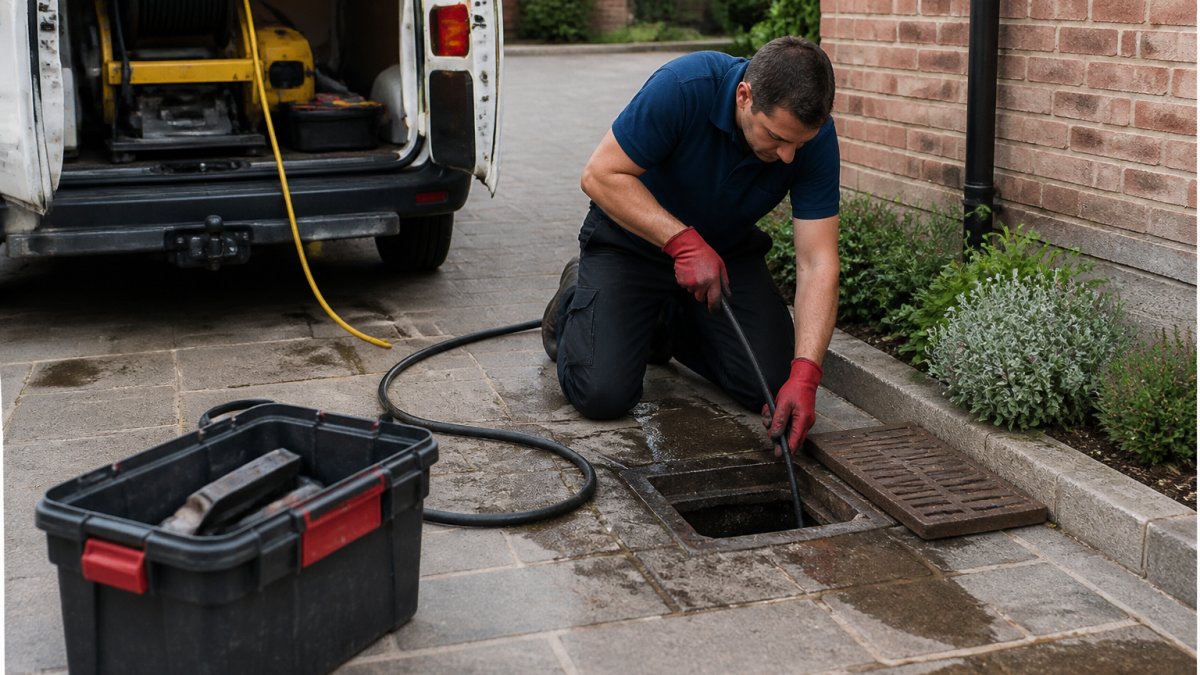
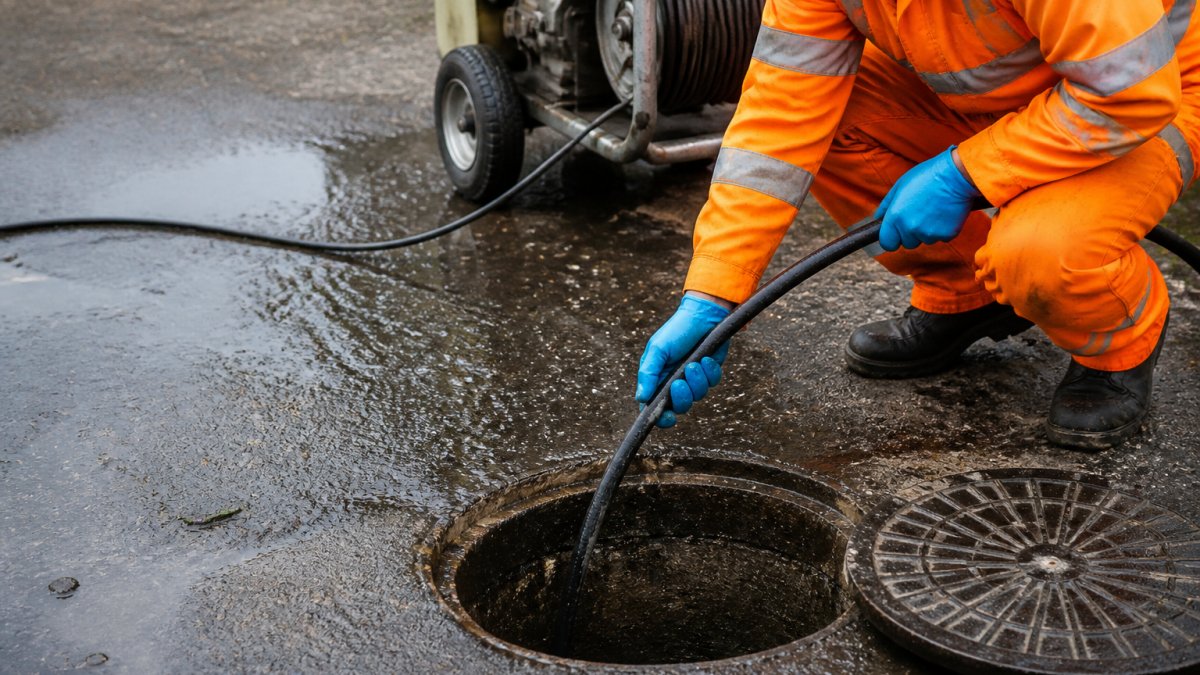
Grease does not stay in the trap. It coats the pipe run between the trap and the main drain, narrowing the bore over time until flow slows to a trickle. A thorough service includes jetting that downstream section and, where needed, a CCTV survey to confirm the pipe is clear and structurally sound. BrightFlow Limited uses high-definition CCTV and hydro-jetting to check the full run rather than just the trap itself.

Watch Out If a contractor empties the trap but never inspects the pipework beyond it, the grease simply migrates downstream and blocks there instead. You pay twice for the same problem.
Grease Trap Cleaning Frequency: How Often Your Kitchen Needs a Visit
Most commercial kitchens need their grease trap cleaned every four to twelve weeks, depending on volume and trap size. A busy restaurant frying throughout service will fill a trap far faster than a small café doing light prep. There is no single correct interval, which is why a fixed calendar guess usually fails.
The honest answer is that frequency should follow measurement. An engineer checks the grease and sludge depth at each visit and adjusts the schedule from there. If the grease layer is approaching a quarter of the trap's depth before the next booked clean, the interval is too long.
Factors that shorten the interval:
High frying volume or a large menu of fried dishes
Undersized trap for the kitchen's output
Poor staff habits, such as pouring oil down sinks
A trap that has not been serviced in years and holds a heavy sludge base
We recommend starting on a four-week cycle for busy kitchens, then stretching it once two or three visits show the trap is comfortably within capacity. A maintenance plan built around your actual usage beats a generic schedule every time.
The article sets out the intervals and the factors that decide them.
Item | Value | Note |
Typical cleaning interval | Every four to twelve weeks | Depends on volume and trap size |
Recommended starting cycle | Four-week cycle | For busy kitchens |
When to stretch the interval | After two or three visits | Once trap is comfortably within capacity |
Grease layer warning point | A quarter of the trap's depth | Before the next booked clean means interval too long |
Factor shortening the interval | High frying volume | Or a large menu of fried dishes |
Factor shortening the interval | Undersized trap | For the kitchen's output |
Factor shortening the interval | Poor staff habits | Such as pouring oil down sinks |
Factor shortening the interval | Years without servicing | Trap holds a heavy sludge base |
Signs a Grease Trap Needs Cleaning Before It Backs Up
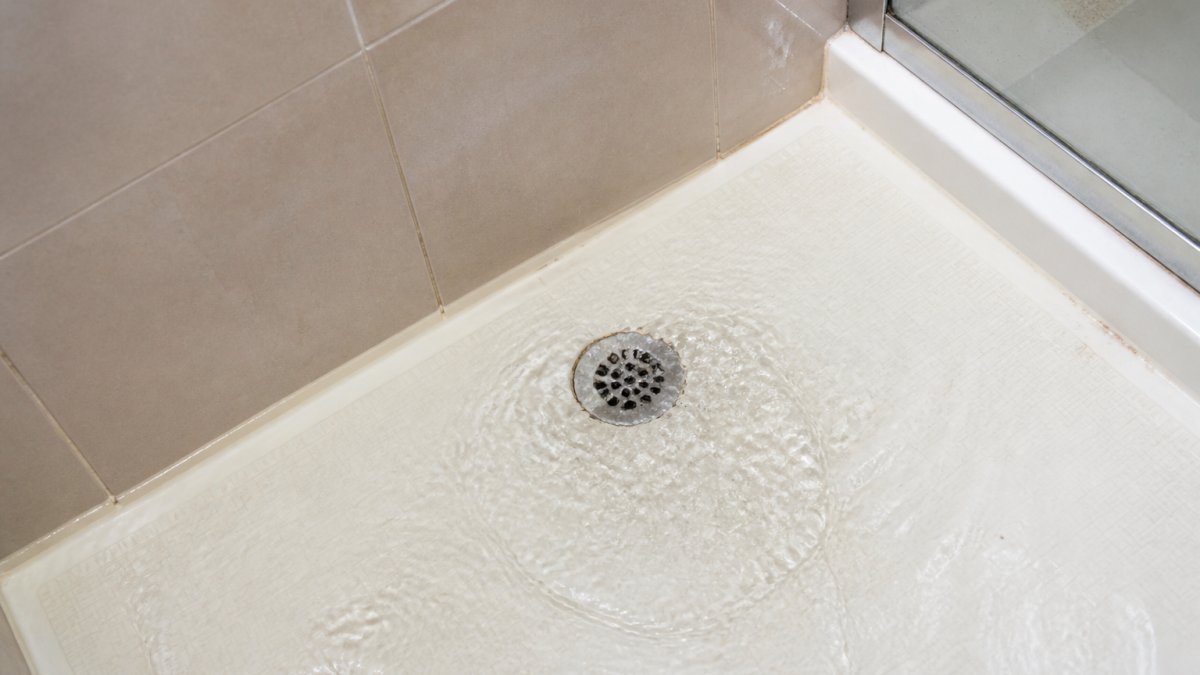
The clearest sign a grease trap needs cleaning is a slow-draining sink that gurgles as water goes down. Other warnings include unpleasant odours around the trap lid, standing water in the trap, and grease visible on the surface when you lift the cover. Catch these early and you avoid an emergency call-out.
Odours are the signal most staff notice first. A healthy trap has a smell, but a sharp, sour tang that drifts into the kitchen means the trap is overdue. Slow drainage follows soon after, as the narrowed pipe struggles to pass water.
Other signs worth acting on:
Sinks backing up during peak service
Grease congealing in the sink or on the drain cover
A trap that fills quickly after being emptied
Repeated blockages in the same drain line
If any of these appear alongside a backup, do not wait for the next scheduled visit. BrightFlow Limited runs emergency drain unblocking in Essex around the clock for blocked toilets, sinks, external drains and sewage backups, so a trap that fails mid-service gets sorted fast.
Pro Tip Keep a simple log of when each sink starts draining slowly. Patterns across weeks tell you more about trap health than a single snapshot, and it gives the engineer real data to work from.
Your Grease Trap Cleaning Checklist for Booking Day
A smooth visit starts before the engineer arrives. Clear access to the trap lid, move stock away from the area, and make sure someone who knows the kitchen is on site to answer questions. These small steps turn a two-hour job into a straightforward one.
Use this checklist on the day:
Confirm the trap location is accessible and not blocked by stock or equipment
Clear floor space around the lid for the hose and tanker
Have a staff member available to sign off the work
Note any drains that have been slow or smelly
Ask for the waste transfer documentation
Confirm the downstream pipework will be checked, not just the tank
Agree the next visit date before the engineer leaves
That last point matters. Booking the follow-up while the engineer is still on site keeps the schedule from slipping, which is how traps quietly drift past their interval and back into trouble.
Grease Trap Maintenance Between Professional Cleans
Between visits, the biggest lever is what goes down the sink. Staff pouring used cooking oil into drains is the single most common cause of a trap filling ahead of schedule. Cooled oil should go into a waste container, never the sink, and solid food should be scraped into bins before washing up.
Simple habits that stretch the interval:
Wipe greasy pans with a paper towel before washing
Use sink strainers and empty them regularly
Never pour oil, fat or gravy down any drain
Train new staff on the rule from day one
For a deeper routine, our guide to preventative drainage maintenance for restaurants sets out a full between-visit schedule that keeps traps and drains healthy without daily effort.
How to Choose a Commercial Grease Trap Cleaning Service in Essex
Choose a contractor who documents what they remove, checks the pipework beyond the trap, and offers a maintenance plan rather than one-off visits. Ask for waste transfer notes, confirm the engineer will inspect downstream pipework, and check accreditations before you book.
Questions worth asking before you commit:
Will you check the pipework beyond the trap, not just empty the tank?
Do you provide waste transfer documentation for every visit?
Can you set up a scheduled maintenance plan for our site?
Are your engineers vetted and your work insured?
Accreditation is a fair proxy for how a firm operates. BrightFlow Limited is SafeContractor accredited and fully insured, and is approved to receive work through EVO, Able Group/Viabl Ltd and OnTime Plumbers. You can read more about BrightFlow and its approvals before booking.
For property managers running multiple sites, a plan is usually the better route than ad-hoc call-outs. Our guide to commercial drainage maintenance plans explains how scheduled servicing works across a portfolio. The commercial drainage service also covers PPM, CCTV inspections and jetting for facilities, landlords and businesses, so grease trap cleaning sits within a wider maintenance framework rather than as a standalone job.
On pricing, rates depend on trap size, access and how often you book. BrightFlow Limited provides upfront quotes, so you know the figure before work starts rather than discovering extras afterwards.
Key Takeaway The right contractor empties the trap, proves where the waste went, and checks the pipe that carries it away. Insist on all three.
Frequently Asked Questions
How often should a commercial grease trap be cleaned?
There is no single rule that fits every kitchen. Grease trap cleaning frequency depends on how much fat, oil and grease your kitchen sends down the drain, the trap's capacity, and whether it is a passive or automatic unit. A busy restaurant may need a visit every four to eight weeks, while a smaller café could stretch to quarterly. Use the 25% rule: when the combined fat and solids layer reaches a quarter of the trap's depth, book a clean. A CCTV survey during the first visit gives you a baseline to set a realistic schedule.
What are the first signs a grease trap needs cleaning?
Slow-draining sinks, gurgling sounds from floor drains, and a sour smell around the trap lid are the earliest signs a grease trap needs cleaning. You may also notice grease congealing in the kitchen drain or water backing up in the lowest fixture. Left unchecked, these warnings turn into overflows that shut down service and can breach your trade waste consent. If two or more signs appear, book a pump-out rather than waiting for the next scheduled visit.
What should a grease trap cleaning checklist include?
A proper grease trap cleaning checklist covers more than a pump-out. It should confirm the engineer has measured the fat, sludge and liquid layers before starting, pumped out the contents, scraped and washed the baffles and walls, checked the inlet and outlet pipework for blockages, and completed a CCTV inspection where included. The engineer should also record the waste transfer note and leave you a written report with the next recommended clean date. Ask for this before booking so nothing is skipped.
How can businesses prevent grease trap blockages between cleans?
Grease trap maintenance between visits comes down to what enters the drain. Fit strainers to sinks, scrape plates into food waste bins before washing, and never pour cooking oil down the drain. Keep a log of when the trap is checked and emptied, and book a grease trap cleaning frequency that matches your kitchen's output rather than an annual afterthought. A maintenance plan with scheduled visits and emergency call-out cover means a blockage does not become a lost trading day.
A grease trap that backs up mid-service costs you far more than a scheduled clean ever will. BrightFlow Limited handles commercial grease trap cleaning across Essex and East London with 24/7 emergency response, upfront rates and no hidden surprises. With SafeContractor accreditation, high-definition CCTV diagnostics and customised maintenance plans, we keep your trap and downstream pipework flowing. Get started with BrightFlow Limited and book a visit that clears the trap and the pipe behind it.
Request a Quote
Add brightflowlimited.co.uk as a preferred source on Google →
Comments