Preventative Drainage Maintenance for Restaurants: A 2026 Guide

Table of Contents
Why Preventative Drainage Maintenance Matters for Restaurants
Common Drainage Issues in Food Service Environments
Restaurant Drain Cleaning Schedule: Best Practices
Restaurant Drain Maintenance Checklist for Daily Operations
Grease Trap Cleaning Frequency and Compliance
Commercial Drain Jetting: When and Why to Use It
Choosing the Right Drainage Maintenance Service Provider
Frequently Asked Questions
Last Updated: 19 October 2026
Why Preventative Drainage Maintenance Matters for Restaurants
Preventative drainage maintenance for restaurants isn't optional, it's the difference between a functioning operation and a crisis that disrupts service. When drains fail in a food service environment, the consequences arrive fast: backed-up sinks, foul odours, potential health code violations, and lost revenue during emergency repairs.
The reality is straightforward. Restaurants generate more grease, food particles, and debris than most commercial buildings. That combination clogs pipes quickly. A reactive approach, waiting for problems to emerge, costs far more than staying ahead of them. Emergency call-outs happen outside regular hours, command premium rates, and often result in longer downtime. Preventative drainage maintenance for restaurants eliminates most of these scenarios entirely.
At BrightFlow Limited, we've worked with food service operators across Essex and East London. Shifting to scheduled maintenance can lead to fewer disruptions, lower repair costs, and peace of mind that drainage systems won't fail during a busy service. That's the value proposition: reliability built into your operations, not scrambled together during a crisis.
Pro Tip Start with a baseline assessment. Have a drainage specialist inspect your entire system, grease traps, floor drains, main lines, to identify existing weak points. This single step prevents most emergency situations.
Common Drainage Issues in Food Service Environments
Food service environments create drainage challenges that don't exist elsewhere. Grease, oils, starch, and food solids accumulate relentlessly. Unlike office buildings or residential properties, restaurants generate this debris continuously during operating hours.

Grease accumulation tops the list. Hot cooking oil flows down drains as liquid, then solidifies as it cools. Over weeks, this creates a waxy layer that traps other debris. The layer thickens until water cannot pass through.
Food particle buildup compounds the problem. Prep areas, dishwashing stations, and floor drains collect vegetable scraps, meat trimmings, and flour. These materials don't dissolve. They accumulate, creating a matrix that holds grease in place and accelerates blockage formation.
Root intrusion affects older properties or those with compromised pipes. Tree roots seek moisture and can penetrate even small cracks in drainage lines. Once inside, they expand and trap debris, eventually blocking the line entirely.
Inadequate grease trap maintenance creates a separate crisis. Grease traps fill faster than many operators realise. When they overflow, untreated grease enters the municipal system, creating downstream problems and exposing your restaurant to environmental compliance violations.
Watch Out Ignoring a slow drain is a false economy. A drain that takes 30 seconds to clear is already accumulating material. Within weeks, it becomes completely blocked, forcing closure during emergency repairs.
Restaurant Drain Cleaning Schedule: Best Practices
The optimal restaurant drain cleaning schedule depends on your operation's size, volume, and the complexity of your drainage system. There's no universal answer, but patterns emerge from working with dozens of food service operations.
High-volume restaurants (200+ covers daily) benefit from monthly drain cleaning. These establishments generate enough grease and debris that quarterly cleaning allows problems to develop between appointments. Monthly maintenance keeps lines clear and prevents emergency situations.
Medium-volume restaurants (100-200 covers daily) typically operate well with quarterly cleaning, every three months. This frequency addresses grease accumulation without unnecessary expense for operations with lower waste volume.
Lower-volume establishments (under 100 covers daily) can often extend to twice-yearly cleaning, though even these benefit from more frequent attention if their menus are grease-heavy (fried foods, butchery, pastry production).
The key variable is your menu composition. A restaurant serving primarily grilled items and salads generates far less grease than one specialising in fried foods or butchery. Adjust your schedule accordingly.
Seasonal variation matters too. Winter months often see increased drainage challenges because cold temperatures affect how grease moves through pipes. Many operators increase cleaning frequency during colder months, then return to standard schedules when weather warms.
Key Takeaway Don't guess your cleaning frequency. Have a drainage specialist assess your specific operation and recommend a schedule. This takes guesswork out of maintenance planning.
Restaurant Drain Maintenance Checklist for Daily Operations
Daily habits prevent most drainage problems from developing. A simple checklist, followed consistently, keeps your system functioning without major interventions.
Before and after service, inspect all floor drains and sink areas. Remove visible debris, food scraps, packaging, grease, before it enters the system. A five-minute walk-through prevents hours of problems later.
Use drain strainers in all sinks and floor drains. These inexpensive screens catch solids before they enter pipes. Empty them daily and dispose of contents properly.
Never pour cooking oil down drains. This is the single most damaging practice. Collect used cooking oil in designated containers and arrange for proper disposal. Many waste management providers collect used oil for recycling.
Clean grease traps regularly. Your grease trap isn't a "set and forget" component. It requires attention. Skim accumulated grease weekly or as needed, depending on your volume. Schedule professional cleaning according to your maintenance plan.
Avoid chemical drain cleaners. These products are tempting when a drain slows, but they damage pipes over time and create safety hazards. They're also ineffective against grease buildup, the primary problem in restaurants. Call a drainage specialist instead.
Train staff on proper disposal. Your team should know that grease, oils, and food solids belong in waste containers, not drains. A brief training session prevents most operator-caused drainage problems.
Daily Task | Frequency | Impact |
Remove visible debris from drains | Before/after service | Prevents 70% of blockages |
Empty drain strainers | Daily | Stops solids entering pipes |
Skim grease traps | Weekly or as needed | Maintains trap capacity |
Inspect floor drains for pooling | Daily | Catches developing issues early |
Grease Trap Cleaning Frequency and Compliance
Grease trap cleaning frequency is not arbitrary, it's determined by your operation's volume and, in many cases, by local environmental regulations. Understanding both aspects keeps you compliant and prevents system failures.
Most food service operations need professional grease trap cleaning every 4-12 weeks, depending on their volume and menu. A high-volume restaurant with a small grease trap might need cleaning every four weeks. A lower-volume operation with adequate trap capacity might extend to twelve weeks. The determining factor is trap capacity and how quickly it fills.
You'll know a grease trap needs cleaning when the grease layer reaches approximately 25% of the trap's depth. At that point, efficiency drops and overflow risk increases. Professional drainage specialists can assess your trap and recommend the optimal cleaning interval for your specific situation.
Environmental regulations in your area may mandate specific cleaning frequencies. Many local authorities require documentation of grease trap maintenance, and some impose fines for non-compliance. BrightFlow Limited can advise on local requirements.
Best For Restaurants with 150+ daily covers should schedule professional grease trap cleaning every 6-8 weeks as a baseline, then adjust based on actual fullness rates.
Commercial Drain Jetting: When and Why to Use It
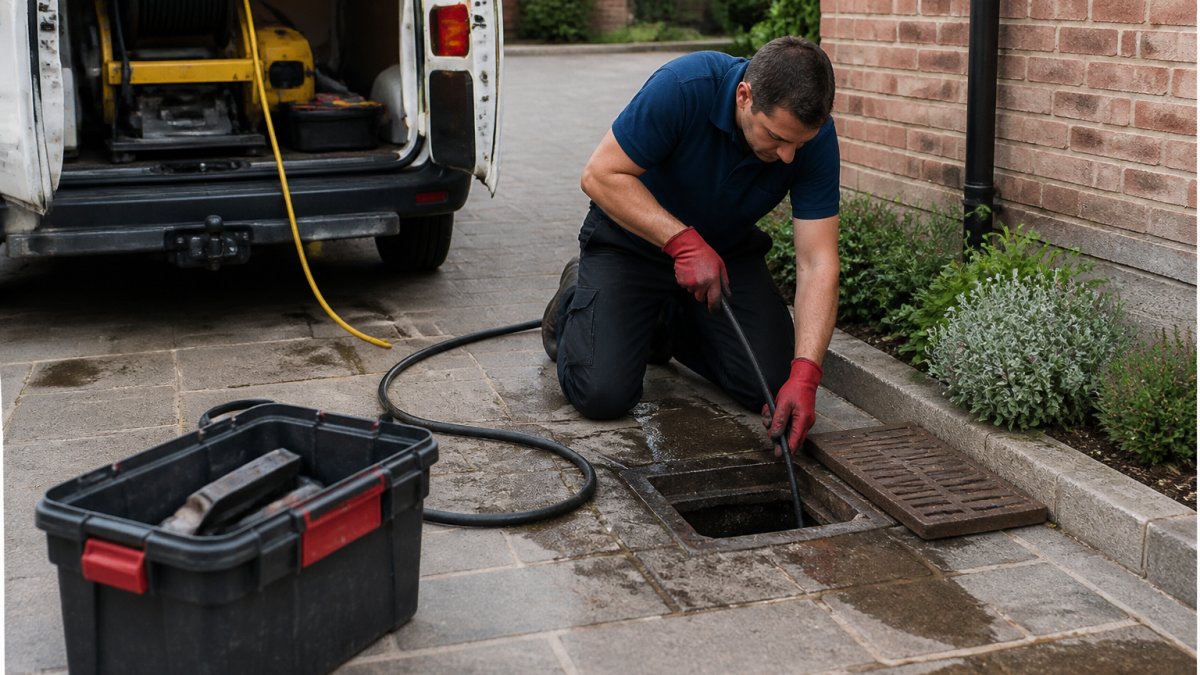
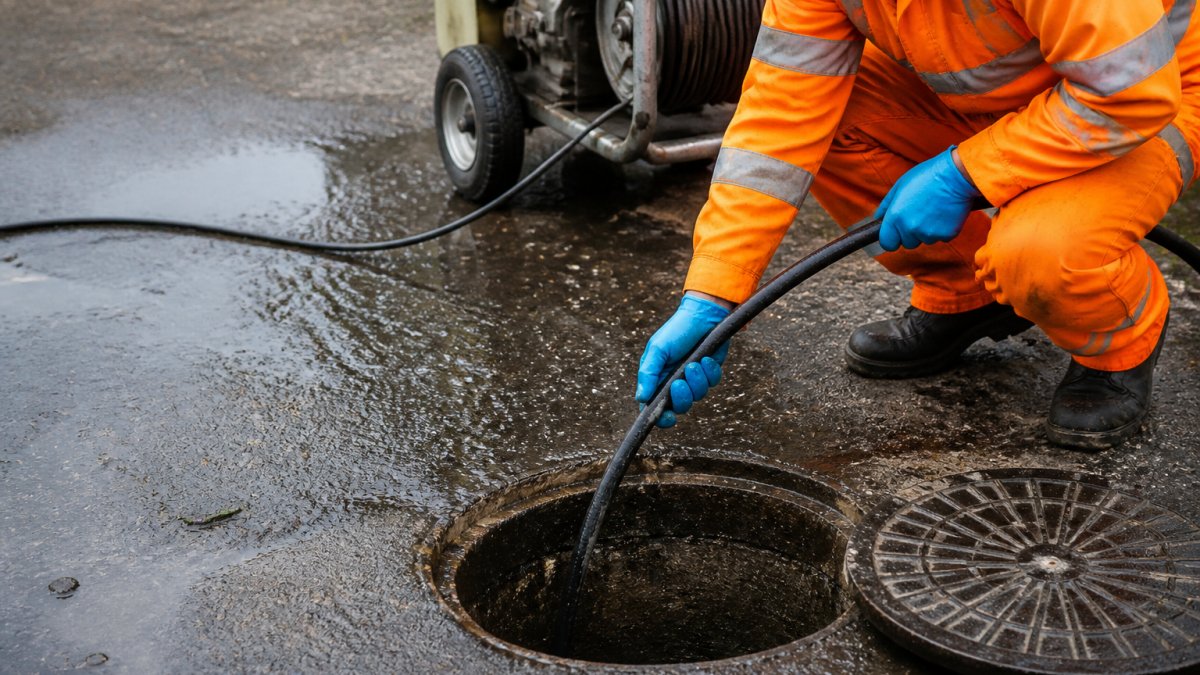
Commercial drain jetting, high-pressure water cleaning, is one of the most effective tools for clearing serious blockages and maintaining pipe integrity. Understanding when to deploy it prevents unnecessary expense and ensures you're using the right tool for each situation.
Drain jetting uses pressurised water (typically 1000-4000 PSI) to blast away grease, debris, and mineral deposits from inside pipes. Unlike chemical cleaners or mechanical snaking, jetting cleans the entire pipe diameter, not just a hole through the blockage. This approach prevents rapid re-blockage and restores full flow capacity.
Use jetting when:
A drain is completely or severely blocked and won't clear with standard methods
Grease accumulation is significant (visible in traps or causing slow drainage)
You want to prevent future blockages in problem pipes
Root intrusion has occurred and needs clearing
Avoid jetting when:
Pipes are old and fragile (pre-1970s clay or cast iron in poor condition)
The blockage is caused by a structural fault requiring repair, not just cleaning
Your system uses septic drainage rather than municipal connection
Professional drainage specialists often use CCTV camera inspection before jetting to identify what's causing the blockage. This can help prevent damage to pipes that have structural issues. A responsible provider will typically recommend repair instead of jetting a pipe with cracks or collapses.
For restaurants, preventative jetting every 12-24 months can help keep main lines clear and prevent emergency situations. This can be less expensive than emergency call-outs and more effective than waiting for problems to develop.
Choosing the Right Drainage Maintenance Service Provider
Selecting a drainage maintenance provider matters far more than most restaurant operators realise. The wrong choice leads to repeated problems, unexpected costs, and unreliable service. The right choice becomes a trusted partner that prevents crises.
Look for providers with specific food service experience. General plumbers often lack the specialised knowledge that restaurant drainage requires.
Accreditation and insurance matter. Verify that your provider holds relevant certifications, SafeContractor accreditation, public liability insurance, and professional indemnity cover.
Transparent pricing prevents surprises. Reputable providers quote jobs clearly, specifying what's included and what might incur additional charges. BrightFlow Limited offers upfront, honest rates with no hidden surprises.
24/7 emergency availability is essential for food service. Drainage problems don't respect business hours. If your provider only works 9-5, you're vulnerable to costly emergency situations outside those hours.
Local knowledge helps. A provider based in your area understands local environmental regulations, knows which pipes are prone to problems in your neighbourhood, and can respond quickly.
Ask for references from other restaurants they've worked with. Speak to them directly about reliability, pricing accuracy, and whether problems recurred after maintenance. This real-world feedback reveals far more than marketing claims.
Preventative drainage maintenance for restaurants transforms how you manage one of your most critical operational systems. The cost of scheduled maintenance is modest compared to emergency repairs, lost revenue during closures, and potential compliance violations.
Frequently Asked Questions
How often should restaurant drains be cleaned?
Most restaurants benefit from professional drain cleaning every 3 to 6 months as part of preventative drainage maintenance. Frequency depends on kitchen volume, menu type, and grease output. High-volume kitchens with deep fryers may need cleaning every 4 weeks, whilst lower-volume establishments might extend to quarterly cleaning. Your maintenance provider can assess your specific drainage system and recommend a schedule tailored to your operation.
What is the correct grease trap cleaning frequency for commercial kitchens?
Grease trap cleaning frequency typically ranges from every 2 to 12 weeks, depending on usage and local Environmental Health regulations. Most busy restaurants require cleaning every 4 to 8 weeks. Neglecting grease trap cleaning leads to overflow, foul odours, and system failures that disrupt service. Regular cleaning maintains compliance with drainage regulations and prevents costly emergency repairs.
What should restaurant staff never put down a drain?
Never dispose of cooking oils, fats, or grease down drains, they solidify and cause blockages. Avoid starchy foods like rice and pasta, which expand and lodge in pipes. Coffee grounds, meat scraps, and fibrous vegetables should go to waste bins. Chemical cleaners and bleach damage drainage systems and harm the environment. Train staff to use drain strainers, pre-rinse food waste, and dispose of solids properly to protect your preventative drainage maintenance investment.
When should a restaurant call a professional drain cleaning service?
Contact a professional immediately if you notice slow drainage, recurring blockages, foul odours, or water backing up into sinks. Don't wait for complete failure, early intervention prevents emergency shutdowns that lose revenue. Schedule routine professional cleaning as part of your preventative maintenance plan, typically every 3 to 6 months. Professional drain jetting and CCTV inspections identify hidden issues before they become costly problems.
How can restaurants prevent grease from blocking drains?
Install and maintain grease traps or interceptors in your kitchen drainage system. Train staff to scrape food waste into bins before washing dishes, and use drain strainers to catch solids. Never pour hot cooking oil down drains, allow it to cool and dispose of it separately. Implement a regular flushing routine with hot water after service. Schedule professional grease trap cleaning on your restaurant drain cleaning schedule to remove accumulated grease before it causes blockages.
Are grease traps required in commercial kitchens?
Yes, grease traps are required in most commercial kitchens under Environmental Health regulations and local water authority standards. They prevent grease from entering public sewers, which causes environmental damage and blockages affecting entire neighbourhoods. Your local Environmental Health department can confirm specific requirements for your premises. Compliance protects your business from fines and ensures your preventative drainage maintenance system operates within legal requirements.
What is commercial drain jetting and how does it help?
Commercial drain jetting uses high-pressure water jets to blast away grease, scale, and debris from inside drainage pipes. Unlike chemical cleaners, it's non-destructive and highly effective at removing stubborn blockages. Jetting clears pipes thoroughly, restoring full flow capacity and preventing recurring problems. It's particularly valuable for restaurant preventative drainage maintenance because it removes grease buildup that standard cleaning misses, extending the time between professional cleaning visits.
Request a Quote
Comments