Commercial Drainage Maintenance Plans: A 2026 Guide

Table of Contents
What Commercial Drainage Maintenance Plans Include
Creating Your Commercial Drainage Maintenance Schedule
Reactive vs Planned Preventative Maintenance: The Real Difference
Using a Drain Maintenance Checklist for Compliance
How Commercial Drainage CCTV Surveys Identify Problems Early
Structuring Your Commercial Drainage Maintenance Contract
Choosing the Right Drainage Maintenance Provider
Frequently Asked Questions
Last Updated: 17 October 2026
What Commercial Drainage Maintenance Plans Include
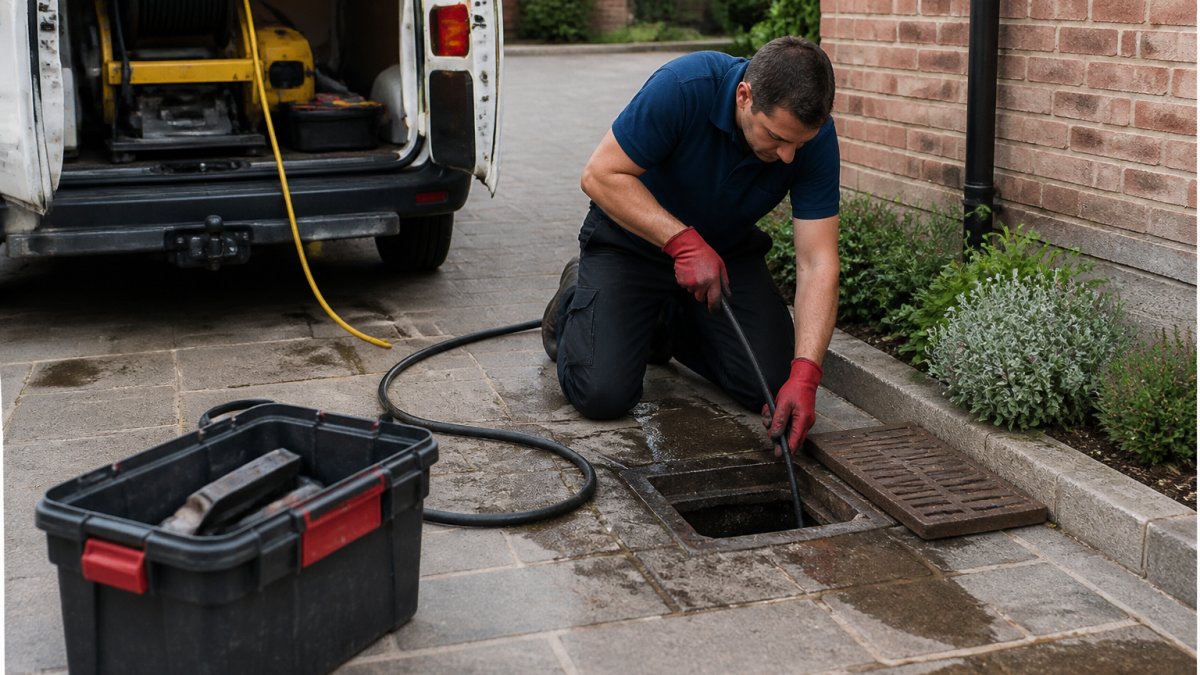
Commercial drainage maintenance plans form the backbone of reliable infrastructure for any business that depends on functioning pipes, grease traps, and sewage systems. These plans typically bundle regular inspections, preventative cleaning, emergency response capabilities, and diagnostic services into a single agreement, so you're not scrambling to find a contractor when something fails at 11 PM on a Sunday.
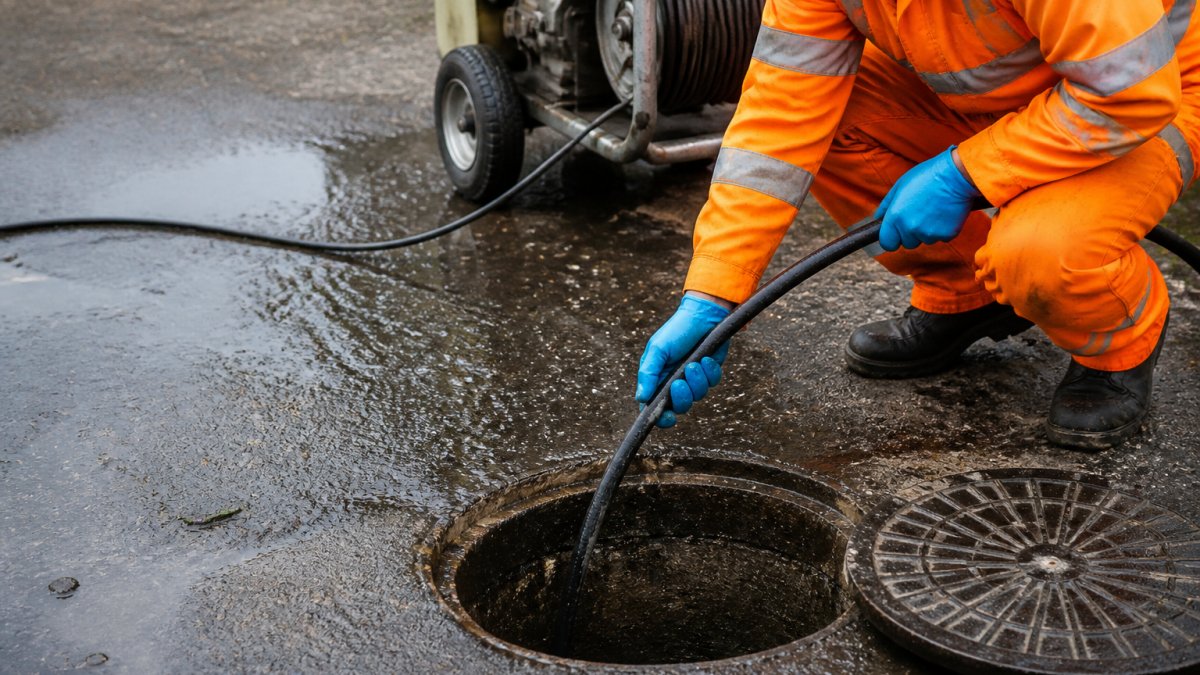
A comprehensive plan covers scheduled visits (usually quarterly or bi-annually), routine jetting to clear accumulating debris, CCTV inspections to spot emerging problems before they become costly repairs, and rapid response when blockages occur. For restaurants, hotels, and food-service operations, grease-trap cleaning is often included as a core component.
The real value isn't in any single service, it's in the structure. When maintenance is planned rather than reactive, you avoid the premium pricing that comes with emergency call-outs. You also catch structural issues (root ingress, fractured pipes, collapsed sections) before they damage your property or interrupt operations.
Most plans include upfront documentation of your system's baseline condition, so you and your provider have a shared understanding of what's normal for your property. This prevents the frustrating cycle where different engineers give conflicting diagnoses.
Creating Your Commercial Drainage Maintenance Schedule
Scheduling is where many businesses stumble. They wait until something breaks, then call someone. A proper commercial drainage maintenance schedule works backwards from your operational needs and the specific demands of your drainage system.
Start by identifying your system's usage patterns. A restaurant with a grease trap needs quarterly cleaning; a retail shop with standard toilet and sink drainage might need annual inspections. Schools often require twice-yearly checks because of high-volume usage and regulatory compliance expectations.
Weather also matters. Winter brings root activity and frozen-line risk; summer means tree roots are actively seeking moisture. Spring and autumn are optimal windows for major inspections before seasonal stress peaks. Your provider should factor this into the schedule they propose.
Document your system's history: previous blockages, repairs, age of pipes, and any known problem areas. If you've had recurring issues in one section, that area needs more frequent attention. If your lateral drain has never been surveyed, that should be your first priority.
Frequency recommendations vary by property type and usage. Commercial kitchens typically need quarterly service; standard office buildings might manage with annual inspections plus emergency response. The schedule should be written into your contract so both you and your provider have clear expectations.
Reactive vs Planned Preventative Maintenance: The Real Difference
This is where the financial case becomes obvious. Reactive maintenance means you call someone when a blockage stops flow or a backup floods your basement. You're paying premium rates for emergency response, often during unsociable hours. The problem has already caused disruption, lost business hours, customer inconvenience, or property damage.
Planned preventative maintenance means you schedule work in advance, during business hours that suit you, at standard rates. A blockage is cleared before it becomes a backup. A fractured pipe is identified during a CCTV survey and scheduled for repair on your timeline, not forced upon you when it ruptures.
The cost difference is significant. An emergency call-out typically costs more than a scheduled visit for the same work. More importantly, planned maintenance catches problems early.
Many facilities managers report that planned maintenance also improves staff confidence. When your team knows drainage is being monitored and serviced regularly, they're less anxious about unexpected failures. For customer-facing businesses, this translates to fewer operational surprises that affect service quality.
The trade-off is commitment. Planned preventative maintenance requires you to budget for regular service and stick to a schedule. But that predictability is the whole point, you know what you're spending and when work will happen.
Using a Drain Maintenance Checklist for Compliance
A drain maintenance checklist serves two purposes: it ensures nothing is missed during routine service, and it creates a documented record that satisfies regulatory and insurance requirements.
For businesses subject to environmental or health and safety oversight, this documentation is critical. Schools, hospitals, care facilities, and food-service operations often face inspections where drainage records are reviewed. A checklist completed during each service visit becomes your proof of diligent maintenance.
A solid checklist includes items like: visual inspection of gully grates and covers, check for visible leaks or seepage, testing of drain flow, confirmation of grease-trap condition, note of any unusual odours or sounds, and photographic evidence of system condition. Each visit should be dated, signed, and filed.
The checklist also serves as an early-warning system. If a technician notes that flow is slower than the previous visit, or grease buildup is thicker, that's a signal to increase service frequency or investigate the root cause. Patterns emerge from repeated checklists that wouldn't be obvious from a single visit.
BrightFlow Limited provides detailed checklists as part of their commercial drainage maintenance plans, so you have both the service and the compliance documentation in one place. This removes the administrative burden and ensures consistency across visits.
How Commercial Drainage CCTV Surveys Identify Problems Early
A commercial drainage CCTV survey is a camera inspection of your pipes from the inside. It's the most reliable way to see what's actually happening in your drainage system without excavation.
The camera travels through the pipe, recording video and still images. The operator can identify cracks, fractures, root intrusion, grease buildup, offset joints, and collapsed sections. Modern CCTV systems also measure pipe diameter and locate blockages precisely.

The value is early detection. A hairline crack found on a CCTV survey can be monitored or sealed before it becomes a major fracture.
CCTV surveys also prevent misdiagnosis. Instead of a technician guessing why your drain is slow based on symptoms, you have visual evidence.
Most commercial drainage maintenance plans include at least one CCTV survey per year, with additional surveys triggered if problems are suspected. For older properties or those with a history of issues, annual surveys become routine preventative medicine.
Structuring Your Commercial Drainage Maintenance Contract
Your contract is the agreement that determines what you get, when you get it, and what happens if something goes wrong. A poorly written contract leaves gaps; a well-structured one protects both you and your provider.
Key contract elements include: the scope of services (which drains, what work is included, what isn't), the frequency and timing of visits, response times for emergency calls, pricing structure (fixed monthly fee, per-visit charges, or hybrid), terms for additional work discovered during inspections, and guarantees or warranties on work performed.
Emergency response terms matter significantly. If your contract specifies a four-hour response window for blockages but you need service within one hour, you're not protected. Be explicit about what constitutes an emergency and what timeline you expect.
Pricing should be transparent. A fixed monthly fee gives you budget certainty but may not cover unexpected discoveries. A per-visit model is flexible but unpredictable. Many businesses prefer a hybrid: a base monthly fee for scheduled maintenance plus reasonable rates for additional work.
The contract should also specify what happens if a problem recurs shortly after service. Does your provider stand behind their work with a warranty period? What's the process for addressing failures?
Choosing the Right Drainage Maintenance Provider
Not all drainage contractors are equal. The difference between a reliable provider and a problematic one often comes down to transparency, technical capability, and accountability.
Look for SafeContractor accreditation or equivalent vetting (Official SafeContractor). This indicates the provider has been assessed against health and safety standards and background-checked.
Technical capability matters. Can they perform CCTV surveys? Do they have hydro-jetting equipment for stubborn blockages? Are they equipped for grease-trap cleaning, or will they refer you elsewhere?
Responsiveness and communication are often overlooked but crucial. A provider who answers the phone, explains what they've found in plain language, and follows up with written reports builds trust.
Pricing transparency is your protection against the scenario you mentioned: arriving at a quote, finding "something extra," and facing a bill that's double the estimate.
BrightFlow Limited operates with upfront, honest rates and no hidden surprises.
Getting a commercial drainage maintenance plan in place transforms drainage from a source of anxiety into a managed utility. You stop reacting to emergencies and start preventing them.
The right provider doesn't just fix blockages, they help you understand your system, catch problems early, and build a maintenance schedule that actually fits your business.
Frequently Asked Questions
What should a commercial drainage maintenance plan include?
A comprehensive commercial drainage maintenance plan should include regular inspections (typically quarterly or bi-annually), scheduled cleaning of grease traps and interceptors, CCTV surveys to detect structural faults or root ingress, and documentation of all work completed. For restaurants and hospitality venues, specialist grease-trap servicing is essential. The plan must also specify response times for emergency call-outs, outline what's covered under the contract, and detail the engineer's vetting and accreditation status. This ensures your drainage system operates at full capacity and you avoid costly emergency repairs.
How often should commercial drains be inspected and cleaned?
Inspection frequency depends on your property type and usage. Most commercial properties benefit from quarterly inspections, whilst high-volume sites such as restaurants or hotels with grease traps may require monthly servicing. CCTV surveys to check for blockages, tree root ingress, or structural damage should occur at least annually, or more frequently if recurring issues arise. Properties with older pipework may need inspections every six months. A professional drainage maintenance provider can assess your specific needs and recommend an optimal schedule to prevent blockages and extend your drainage network's lifespan.
What is the difference between reactive and planned drainage maintenance?
Reactive maintenance means you call a drainage company only when an emergency occurs, a blocked drain, backup, or leak. This approach is costly, disruptive to business, and often results in higher repair bills. Planned preventative maintenance involves regular inspections, scheduled cleaning, and CCTV surveys to catch problems before they become emergencies. Planned maintenance reduces downtime, extends the life of your drainage infrastructure, and typically costs significantly less over time. For commercial properties, planned maintenance also demonstrates due diligence for insurance and compliance purposes, protecting your business from liability.
How can a business reduce recurring drain blockages?
Recurring blockages usually signal an underlying structural issue, tree root ingress, collapsed sections, or grease accumulation, rather than poor use. A commercial drainage CCTV survey identifies the root cause so you can address it permanently. For hospitality businesses, specialist grease-trap cleaning prevents fat buildup. A maintenance plan with regular inspections catches problems early. Additionally, staff training on what shouldn't enter the drain system (cooking oil, food waste, non-flushables) reduces preventable blockages. Combining CCTV diagnostics, scheduled maintenance, and proper drain hygiene practices eliminates recurring issues and protects your investment.
How do I know a drainage maintenance provider will diagnose accurately?
Look for providers who use advanced diagnostic technology, particularly high-definition CCTV surveys, which provide visual evidence of the problem. Ask whether they offer upfront, transparent pricing and a detailed written report of findings before quoting repair work. Reputable providers should be SafeContractor accredited or equivalent and fully insured. Request references from similar commercial properties they've serviced. A trustworthy provider will explain what they found, why it's a problem, and what options exist, not simply recommend the most expensive solution. Transparent communication and documented diagnostics protect you from inflated bills and repeat problems.
What properties benefit most from commercial drainage maintenance plans?
All commercial properties benefit, but some require it urgently. Restaurants, hotels, pubs, and food-service venues face frequent grease-trap blockages and need specialist servicing. Apartment blocks and multi-unit residential properties managed by agents require coordinated maintenance across many units. Schools, offices, and healthcare facilities must maintain drainage to prevent health and safety issues. Older commercial buildings with Victorian-era pipework are particularly vulnerable to tree root ingress and structural faults. Properties in areas with clay soil or high water tables face additional drainage stress. Even newer commercial buildings benefit from planned maintenance to prevent costly emergency call-outs and ensure regulatory compliance.
What happens if a blockage recurs after I've paid for a repair?
This depends on your maintenance contract. Reputable providers offer a follow-up guarantee or warranty period, typically 3 to 6 months, where they will return at no charge if the same issue recurs due to their work. However, if the blockage returns because the underlying cause wasn't identified (such as a collapsed pipe or root ingress), you'll need a CCTV survey to diagnose the real problem. A comprehensive maintenance plan prevents this by using diagnostics upfront. Before signing a contract, ask explicitly about guarantees, follow-up policies, and what's covered. Written terms protect both you and the provider and demonstrate their confidence in their work.
Request a Quote
Comments