Chemical Root Killer for Blocked Drains: What Works

Last Updated: November 22, 2026
Quick Summary
A chemical root killer is a treatment that inhibits root growth inside blocked drains. Foaming versions coat roots close to the pipe surface, while granular treatments dissolve into the flow to reach roots further down the line. Confirm roots are the cause first, as a CCTV survey can show exactly where they are entering.
Confirm roots are the cause with a CCTV drain survey before buying a treatment.
Foaming root killers suit partly blocked drains with roots close to the pipe surface.
Granular treatments reach roots further down the line but need water to carry them.
Wait at least a few days before judging whether the treatment has worked.
Never mix root killer with bleach or another drain cleaner, as it can release harmful fumes.
Is a root blockage slowing your drains?
BrightFlow Limited offers 24/7 call out and CCTV drain surveys to find the true cause.
Table of Contents
How Tree Roots Get Into Drains and Cause Blockages
Tree roots are one of the most common causes of slow drains and recurring blockages in UK homes. Roots grow towards moisture, and they will find even the smallest crack or gap in a drainage pipe. Once inside, they thicken, branch and catch debris, which narrows the pipe until water can no longer flow freely.
Most roots enter through the pipe joints, where sections meet, or through cracked and damaged pipework. Older clay and cast iron pipes are particularly vulnerable. Root growth tends to be slow, so a blockage can take months or even years to develop before it becomes obvious.
What looks like a minor slow drain at the kitchen sink can be the result of a dense root network filling the pipe further down the line.
Signs of Tree Roots in Drains and Confirming the Cause Before Treatment
The warning signs are usually gradual. Look out for:
Slow draining in several fixtures at once, such as the bath, basin and toilet
Gurgling sounds from the drains when water is used elsewhere in the house
Recurring blockages that clear temporarily but return within weeks
Damp patches or unusually lush grass above the line of the drain
Sewage smells near the external inspection chambers
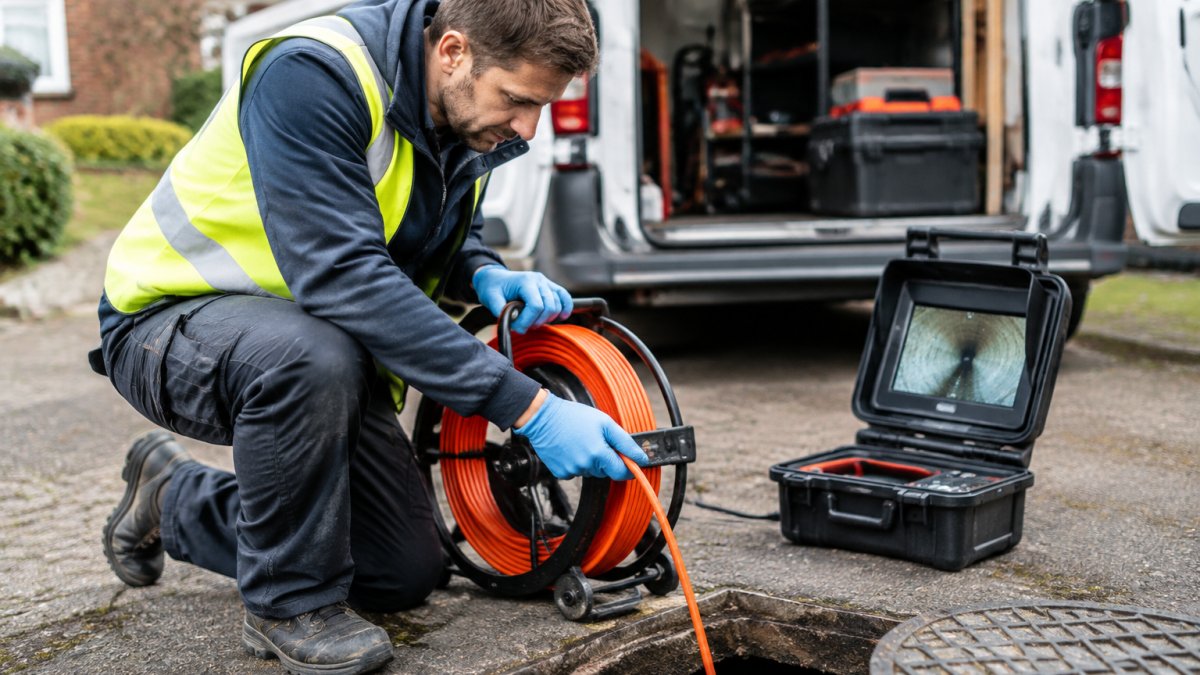
These signs can also point to grease, sanitary items or a collapsed pipe, so it is worth confirming the cause before buying a chemical root killer. A CCTV drain survey shows exactly where roots are entering and how severe the blockage is. Treating the wrong problem wastes money and can leave the real fault untouched.
Choosing a Chemical Root Killer: Foaming Versus Granular Treatments
Chemical root killers come in two main forms. Each suits a different situation, and neither is a permanent fix on its own.
Foaming root killers expand inside the pipe and coat the roots they reach. They are often used for drains that are partly blocked and where the roots are close to the surface of the pipe. Granular treatments are poured into an inspection chamber or toilet and dissolve into the flow. They tend to reach roots further down the line, but they need water to carry them.
Whichever form you choose, check the product label for pipe compatibility and follow the manufacturer's dosage instructions. Many homeowners find that a foaming product works well for a quick first treatment, with a granular product used for ongoing prevention.
How Chemical Root Killers Work and How Long They Take
Chemical root killers are generally formulated to inhibit root growth. Existing roots may die back over a period of time, though the blockage itself does not always clear straight away.
Expect to wait at least a few days before judging whether the treatment has worked. Some products advise repeating the application after a period of time, as stated on the label. Drainage clearance may still be needed to remove dead root matter that has already built up.
Pipe Safety, Plant Impact and Environmental Disposal in the UK
Check that any product is labelled as safe for your pipe material. Some stronger formulations can damage old clay or weakened joints, so a pipe in poor condition may need repair before treatment. Chemical products should never be mixed with other drain cleaners, and they should be stored out of reach of children and pets.
Most treatments are aimed at roots inside the drain, but treatment can affect nearby trees and shrubs if product leaches into the surrounding soil. Use the smallest effective dose and avoid treating drains close to ornamental planting where possible.
Do not pour leftover product down a drain or into a watercourse (Pollution prevention for businesses). Take unused chemicals to your local household waste recycling centre, which will accept them for safe disposal. You can check what is accepted through your local council.
The two main forms of chemical root killer suit different situations, so the table below compares them side by side.
Type | Best for | Key difference |
Foaming root killer | Partly blocked drains with roots close to the pipe surface | Expands inside the pipe and coats the roots it reaches |
Granular treatment | Roots further down the line | Dissolves into the flow and needs water to carry it |
How to Remove Roots from Drains: Treatment Steps and Safety Precautions
Work through these steps carefully.

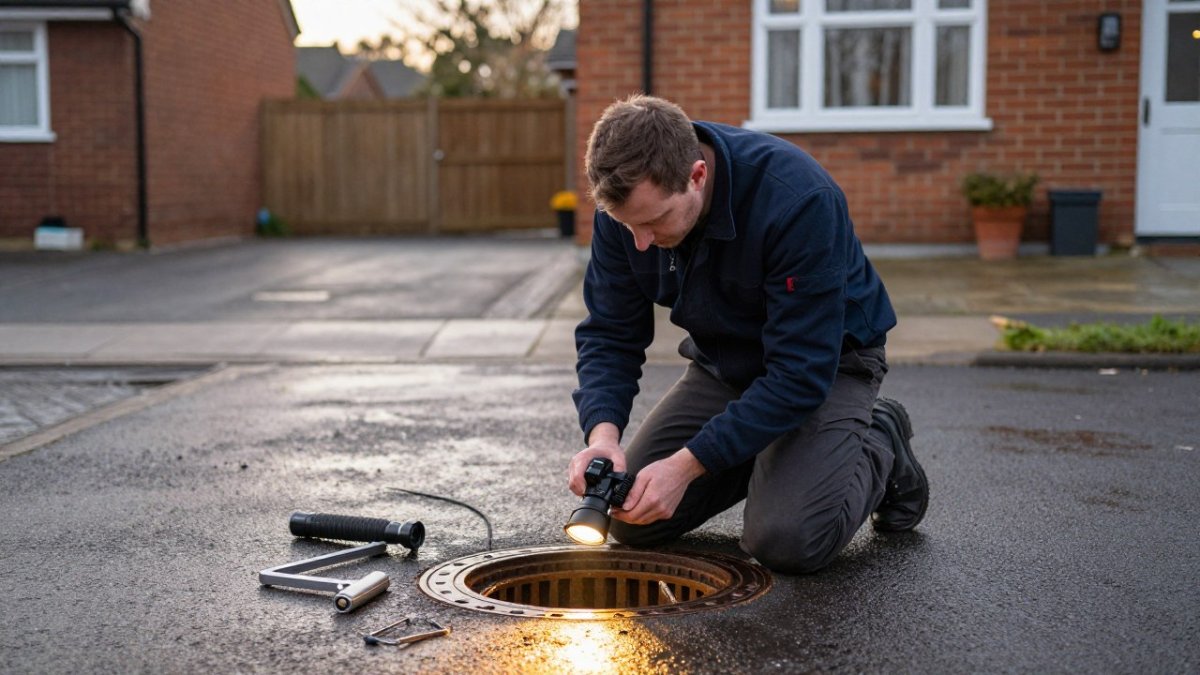
Confirm the cause. Use a CCTV survey or inspect the external chamber to confirm roots are present.
Gather protective equipment. Wear gloves, eye protection and a long-sleeved top.
Clear loose debris. Remove any standing water and loose material from the chamber first.
Apply the product. Measure the dose exactly as the label directs and pour or apply it to the affected section.
Flush with water. Follow the instructions for the amount of water needed to carry the product into the pipe.
Allow time to work. Leave the drain unused for the period stated on the product, usually overnight or longer.
Check the result. Run water through the drain and watch whether the flow improves over the following days.
Watch out: never combine a root killer with bleach or another drain cleaner, as the mixture can release harmful fumes.
Preventing Tree Roots from Entering Drains and Deciding When to Call a Drainage Engineer
Prevention is always better than repeated treatment. Plant new trees and shrubs at a safe distance from drains - as a rule of thumb, keep them at least 3 metres away from the line of the drain, and further for fast-growing or large species. Regular drain checks, ideally once a year, can catch small root intrusions before they become a full blockage. If you live in an area with mature trees, where many older properties have clay drainage systems, it is worth having a CCTV survey done every few years to monitor the condition of your pipes.
Chemical root killers are a temporary measure. They can suppress root growth and kill existing roots, but they do not remove the root mass or repair the damage that allowed roots to enter in the first place. If your drain is still slow after treatment, or if blockages recur within weeks, the underlying problem is likely to be a damaged pipe, a displaced joint or a collapsed section. In these cases, chemical treatment alone will not provide a lasting solution.
So when should you call a professional drainage engineer? Consider these signs:
The drain remains blocked after you have followed the product instructions and waited the recommended time.
Blockages return repeatedly, even after treatment.
There are signs of pipe damage, such as cracks visible in an inspection chamber or subsidence above the drain line.
You have a septic tank or private treatment plant, and you are unsure whether chemical treatment is safe.
You need a CCTV survey to confirm the cause and extent of the problem.
A professional drainage engineer can carry out a CCTV survey to identify exactly what is happening inside the pipe. They can then advise on the best course of action, whether that is high-pressure jetting to clear roots and debris, root cutting, or a repair or relining of the damaged section. BrightFlow Limited provides 24/7 emergency response for drainage problems across Essex and East London.
Remember that chemical root killers are not a substitute for proper drainage maintenance. They can be part of a prevention plan, but they should not be used as a sticking plaster over a structural problem. If in doubt, seek professional advice.
Ready for help with a root-related blockage? Call BrightFlow Limited for a 24/7 response across Essex and East London, with a clear diagnosis before any treatment begins.
Frequently Asked Questions
Does chemical root killer work in blocked drains?
It can, but only when tree roots are the confirmed cause of the blockage. Root killers work by dehydrating and killing root fibres inside the pipe, which can restore flow in a drain that is partly obstructed by roots. They do not remove a root mass that is already packed into the pipe, and they will not fix a cracked or collapsed pipe. A CCTV drain survey from a specialist is the most reliable way to confirm the cause before you treat, as it shows whether roots are present and where the damage sits.
Can root killer damage drain pipes or harm a tree?
Most products are formulated to be pipe-safe when used as directed, but the risk depends on the material and condition of the pipe. Older clay or cracked pipework may be more vulnerable, so check the product label and seek advice first if your drains are in poor condition. Root killers are designed to act on roots inside the pipe, yet strong formulations can also affect roots in the surrounding soil that feed nearby trees and shrubs. Keep treatments within the drain and avoid pouring large volumes into the ground near a tree you want to keep.
Will root killer stop roots from growing back?
Not permanently. A chemical treatment can kill roots already in the pipe and slow regrowth for a period, but roots can return if the pipe has open joints or cracks that continue to draw in moisture and nutrients. Repeated treatments may be needed, and a lasting fix usually involves repairing or relining the damaged section. At BrightFlow Limited, our specialist drainage engineers use high-definition CCTV to locate the entry points.
When should I call a drainage specialist for roots in a drain?
Call a specialist if the blockage keeps returning after clearing, if several drains in the property are slow at once, or if you notice gurgling, foul smells or water rising in other outlets. These signs can point to a root-related blockage in the main sewer line rather than a simple blockage in one fitting. Our expert plumbers and drainage engineers offer 24/7 call-out.

Comments