How to Stop a Toilet Overflowing from a Blocked Drain

Last Updated: October 29, 2026
Quick Summary
To stop a toilet overflowing from a blocked drain, turn off the water supply first by closing the isolation valve behind the cistern clockwise, then the main stopcock if needed. Pour about two litres of water slowly into the bowl and contain the spill with towels and a tray.
Turn the isolation valve clockwise only a quarter to half turn and never force it.
Pour water slowly from close to the rim to push the blockage along without adding pressure.
Use a flange plunger and repeat six to eight sealed strokes, stopping if the water rises.
Never flush again to test the toilet, as the overflow often happens on the second or third attempt.
Call a specialist if water will not drop after five or six proper plunger strokes.
Table of Contents
How to Stop a Toilet Overflowing: First Steps
A toilet overflowing from a blocked drain is a plumbing emergency where the bowl fills faster than it drains, and the water has nowhere to go but onto your floor. A toilet blocked this way is a plumbing emergency, and the first minute or so largely decides how much mess you end up with. Acting fast keeps the damage small.
Turn Off the Water Before You Do Anything Else
Do not plunge first. Do not grab towels first. Cut the water supply, because every second the cistern refills pushes more water through a blocked drain and onto your floor.
Reach behind the cistern and turn the isolation valve clockwise until it stops. Then lift the cistern lid and press down the float arm or lift the float itself, which holds the fill valve closed.
If the bowl is still rising, stop the flow at the source. Most homes have a stopcock under the kitchen sink or where the mains enters the property. Turn it clockwise to shut off the whole supply.
Clear the Bowl and Contain the Spill
Once the water is off, deal with what is already in the bowl. Fill a bucket with about two litres of water and pour it slowly into the bowl from close to the rim. A slow pour pushes the blockage along without adding pressure. A fast pour does the opposite.
Next, contain the spill. Lay old towels or a bath mat around the base of the toilet, then place a shallow tray or bowl under any drips. Water that reaches a tiled floor can seep under the skirting and into the room below.
Turn off the water supply first
Pour water slowly, never in a rush
Towels around the base, tray underneath
Keep children and pets out of the room
Finding and Using the Toilet Water Shut-Off Valve
The toilet water shut-off valve is the small metal fitting on the pipe feeding the cistern, usually on the wall behind or beside the toilet. It controls water to that one fixture, so you can work on the toilet without cutting supply to the whole house.

Turn it clockwise to close and anticlockwise to open. It only needs a quarter to half turn. Do not force it. A valve that has not been touched in years can seize, and forcing it can snap the spindle or start a leak at the joint.
Test it before you need it. Flush the toilet, then close the valve. If the cistern does not refill, the valve works.
If the Valve Will Not Turn or You Cannot Find It
Some older installations have no isolation valve at all. In that case, go to the main stopcock and shut off the whole property.
Open a cold tap downstairs afterwards to drain the remaining water from the pipes, which lowers the pressure at the toilet.
Watch out: if the valve turns but water keeps running, close the main stopcock instead and arrange a repair.
How to Use a Toilet Plunger Without Making It Worse
A plunger works by shifting water, not by force. The right technique clears a soft blockage in a few strokes. The wrong technique pressurises the trap and pushes waste back up through the overflow.
Use a flange plunger, the type with a rubber cup that folds out to seal the outlet. A flat cup plunger is for sinks and will not seal a toilet.
Make sure the bowl holds enough water to cover the cup
Seat the cup fully over the outlet so no air escapes
Push down slowly, then pull up sharply
Repeat six to eight times, keeping the seal
Flush only once the water level drops normally
If the water rises instead of falling, stop. That means the blockage is further down the drain, and more plunging will only add pressure. Several short, sealed strokes beat one violent one every time.
What You'll Need Before You Start
Gather these before you begin, so you are not searching for a bucket while water spreads across the floor.
Bucket, about ten litres
Two or three old towels and a bath mat
Flange plunger
Rubber gloves
Torch for looking behind the cistern
Shallow tray or bowl
None of it is expensive, and all of it is worth keeping together. A blocked drain never announces itself in advance.
Common Mistakes That Cause a Second Overflow
The most common mistake is flushing again to "see if it has cleared". Every extra flush adds water to a drain that is already full, and the overflow happens on the second or third attempt.
Chemical drain cleaner is the second trap. In a toilet, a strong caustic product sits against the blockage and can damage older pipework or splash back when the water moves. Mechanical clearing with a plunger or rod is safer, and it tells you where the blockage actually is.
Then there is the partial fix. Water drains slowly, so the job looks done, but the cause is still there. Slow drainage after a blockage usually means a build-up further along the run, and it will return. If the problem is in your shower, see How to Fix a Slow Draining Shower.
When to Call a Drain Specialist
Call a specialist when the water will not drop after five or six proper plunger strokes, when more than one fixture is backing up, or when you can smell sewage. Those point to a blockage in the soil pipe or the main drain, not the toilet itself.
Repeated blockages are a clear signal to call a professional, as the cause may be beyond the reach of a plunger.
For a visit today, our emergency drain unblocking service provides 24/7 emergency response across Essex and East London.
Request a Drainage Assessment from BrightFlow Limited
A toilet overflowing from a blocked drain is a symptom, not the fault. Clearing the bowl restores the flush, but a proper assessment finds out why it blocked and whether it will happen again.
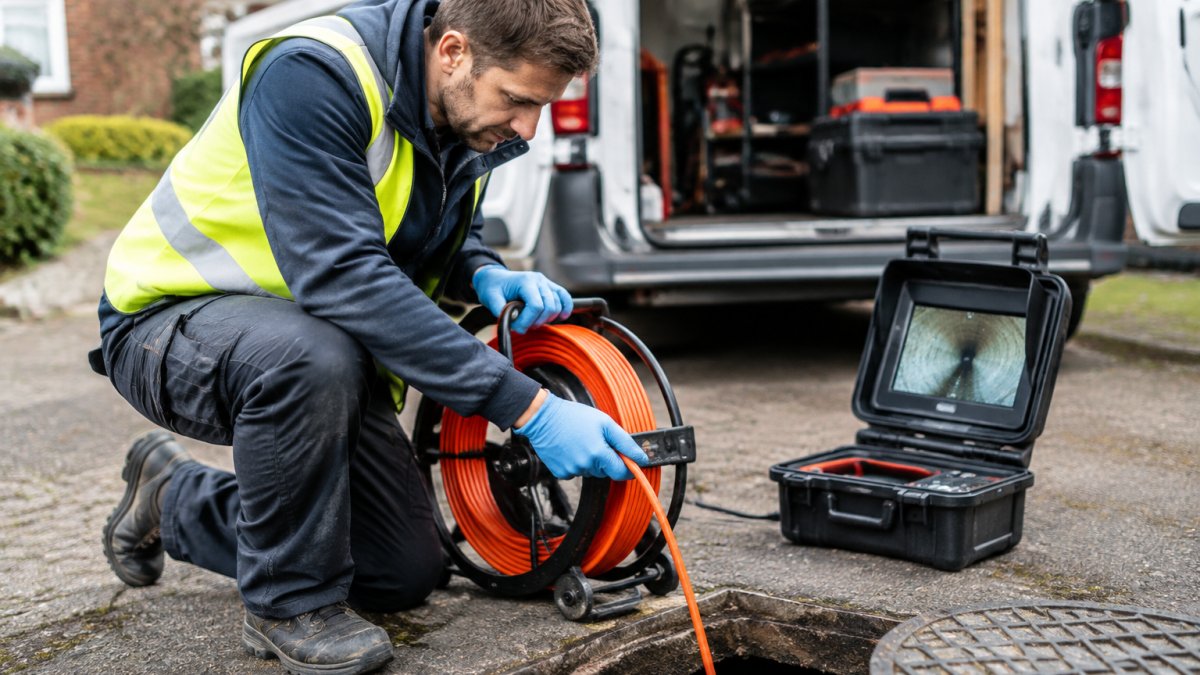
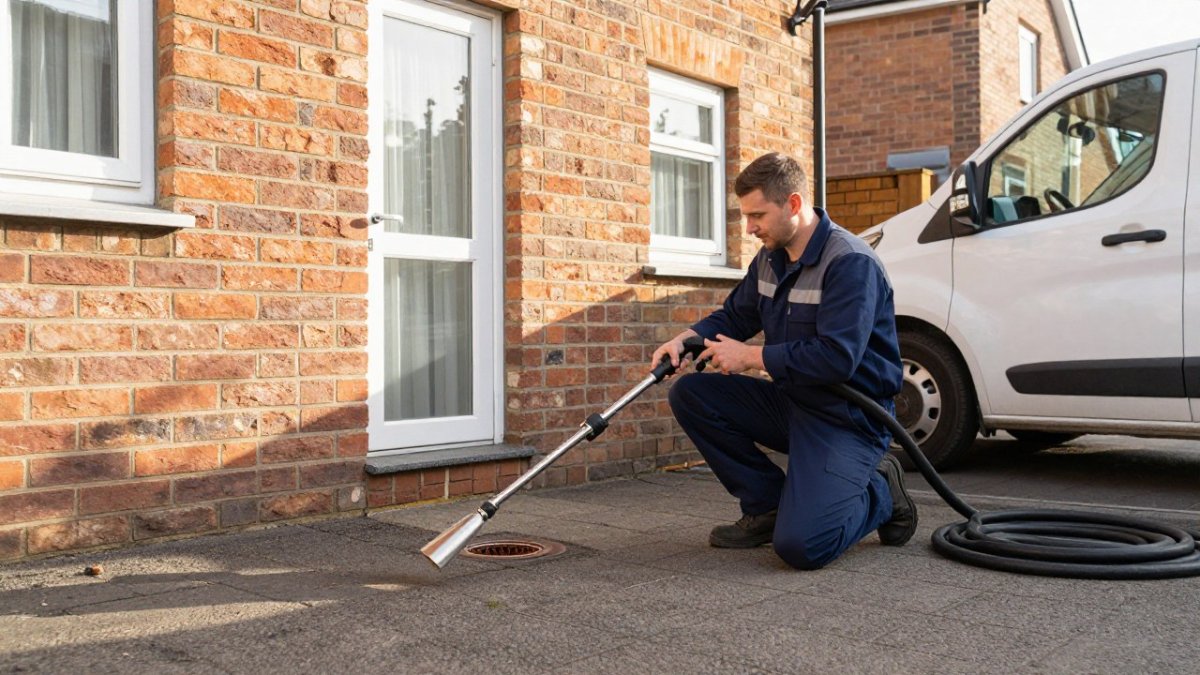
We are SafeContractor accredited and fully insured. We use advanced hydro-jetting and high-definition CCTV technology, and we offer customised maintenance plans for residential and commercial clients.
Our domestic drainage service provides upfront, honest rates with no hidden surprises.
Frequently Asked Questions
How do you stop a toilet from overflowing when it is blocked?
Act on the water first, not the blockage. Lift the cistern lid and push the float down or close the isolation valve on the supply pipe so no more water enters the bowl. If the valve is stiff or missing, turn off the mains stopcock. Then bail water out with a jug until the level sits well below the rim. Only once the bowl is stable should you attempt to clear the blockage with a plunger, and never flush again until water drains away normally.
Can you use a plunger on an overflowing toilet?
Yes, but only after the water supply is off and the bowl has been bailed down. A flange plunger works best because the rubber cup seals over the waste outlet. Place it at an angle so the cup covers the hole, push down gently to expel air, then pull up sharply five to ten times. Keep a towel around the base. If the water rises rather than falls after two rounds of plunging, stop and call a drain specialist rather than persisting.
What should you do if more than one toilet or drain is backing up?
Multiple fixtures backing up at once points to a blockage in the shared soil stack or the main drain rather than a single toilet. Stop using all water in the property, including sinks, baths and washing machines, and turn off the mains supply if you can. Do not plunge individual toilets, as this can push waste further into the shared pipe. Call a drain specialist, because clearing a main line needs rodding, hydro-jetting or CCTV inspection that DIY tools cannot reach.
When should you call a drainage professional for a blocked toilet?
Call a specialist if plunging fails after two attempts, if water backs up in other drains, if you notice gurgling from sinks or baths, or if the blockage keeps returning within weeks. Recurring blockages often signal root ingress, a displaced pipe joint or a build-up of scale and grease that needs high-definition CCTV inspection. BrightFlow Limited offers 24/7 emergency response across Essex and East London, with upfront rates agreed before work starts and SafeContractor accreditation.
If your toilet has overflowed once, it will do it again until the cause is found. Get a drainage assessment from BrightFlow Limited and we will locate the fault, clear the line and tell you plainly what needs doing. Our team offers 24/7 emergency response, upfront honest rates and accurate diagnostics, so you can stop mopping up and get the problem fixed properly.

Comments