How Do You Clear a Blocked Outside Drain After Heavy Rain?

Quick Summary
To clear a blocked outside drain after heavy rain, lift the grating, remove the loose leaves, grit and silt by hand, and brush the sides of the gully. Then flush the drain with a hose and check that water drains freely; if it still backs up, the blockage may be deeper in the pipework.
Wear waterproof gloves and boots, and bring a torch, brush, bucket and hose.
Scoop out loose debris and bag it before brushing the gully walls.
Shine a torch into the pipe to check whether the blockage sits further down.
Never pour caustic chemicals down an outside drain in heavy rain.
Clear leaves and debris from the grating every few weeks in autumn.
Table of Contents
Why Outside Drains Block Up After Heavy Rain
Heavy rain tests every outside drain you own. When a downpour lasts an hour or more, water pours off roofs, driveways and patios faster than the drain can carry it away. Leaves, grit, silt and garden debris get swept into the grating, and within minutes the water has nowhere to go.
A blocked outside drain after rain is usually a simple surface problem. Debris builds up in the gully or grating, and rainwater cannot flow through. Most of the time, the blockage sits close to the surface and can be cleared without digging.
Repeated blockages are a different story. If the same drain keeps backing up, the cause may sit deeper in the pipework, such as root growth or a crack. Clearing the surface only treats the symptom, so keep that in mind if the problem returns each time it rains.
What You Need Before You Start
Gather the right kit before you touch the drain. Working prepared saves time and keeps you safe on a wet day.
Waterproof gloves and boots
A torch or work light
A stiff brush and a bucket
A drain rod with the right head attachments
A spade or trowel for loose silt
A hose for flushing the drain afterwards
Check the weather before you start. Clearing a drain in a dry spell is far easier than trying to work in a steady downpour, when the water level keeps rising.
How to Unblock an Outside Drain Step by Step
Follow these steps in order to clear a blocked outside drain after heavy rain.
Lift the grating or cover. Use a screwdriver or your hands to remove it. Set it aside somewhere clean.
Remove the loose debris. Scoop out leaves, stones and mud with your hands or a trowel. Bag it and throw it away.
Brush the sides. Scrub the walls of the gully to loosen any sludge stuck to them.
Check the outlet. Shine your torch into the pipe to see whether the blockage sits further down.
Flush with water. Run a hose into the drain for a few minutes. Watch how fast the water drains away.
Replace the grating. Put the cover back on once water flows freely.
Watch out: Never pour caustic chemicals down an outside drain in heavy rain. They can damage the pipe and may harm wildlife in the drainage system.
Using Drain Rods for Outside Drains Safely
A drain rod helps when surface clearing does not solve the problem. Push the rod gently into the outlet and turn it slowly to break up the blockage. Stop if you feel strong resistance, because forcing the rod can crack an old clay or plastic pipe. Use a rod with a head that suits your drain size, and keep your hands clear of the pipe opening while you work.
What to Do If an Outside Drain Is Overflowing Right Now
If water is rising in the drain as you read this, act quickly. Turn off any outside tap feeding into the system, move vehicles and furniture away from the drain, and keep children and pets clear of the area. Do not stand over an open, flooded gully with a torch in heavy rain. If the overflow is spreading into your home or you cannot find the cause, call an emergency drainage professional. Emergency drain unblocking in Essex is available around the clock for blocked toilets, sinks, external drains and sewage backups. BrightFlow Limited offers 24/7 emergency response across Essex and East London.
How to Stop Your Outside Drain Blocking Again
Prevention saves you from repeat callouts. Try these habits through the wetter months:
Clear the grating of leaves and debris every few weeks in autumn.
Trim overhanging plants so they do not drop leaves into the drain.
Fit a leaf guard or mesh cover over the gully.
Keep soil, gravel and grit away from the drain edge.
Inspect the drain after each heavy storm and clear any early build-up.
Regular checks take only a few minutes, and they catch small problems before they turn into flooding.
Booking a Professional Drain Clearance in Essex and East London
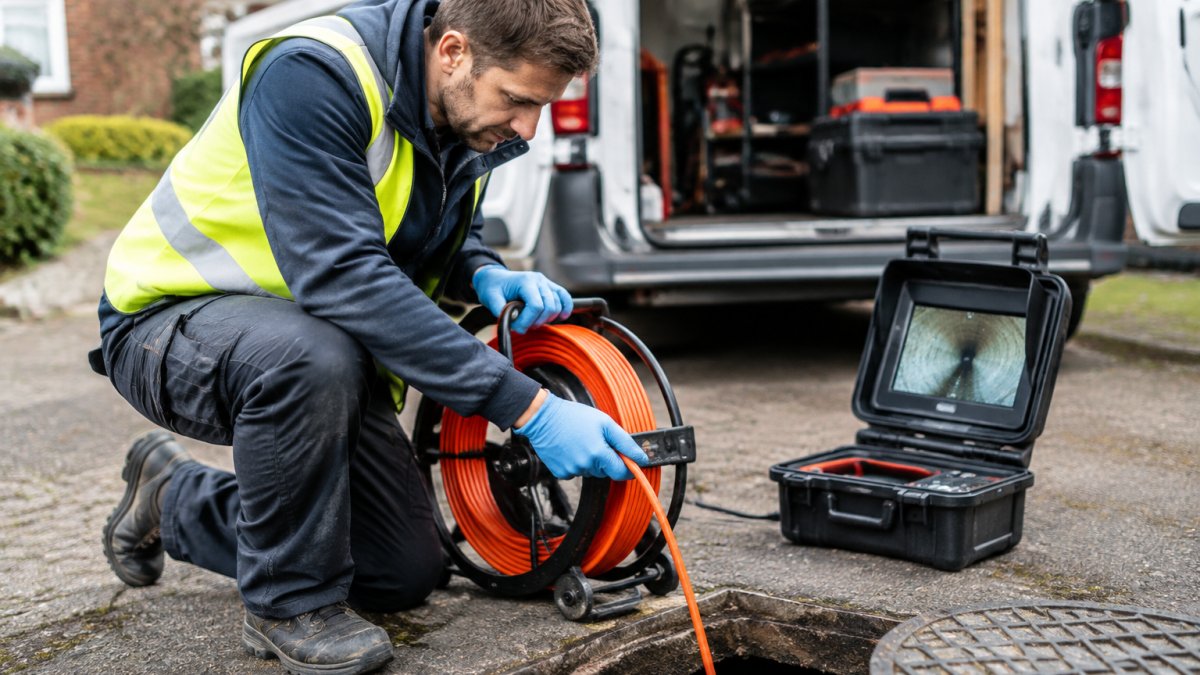
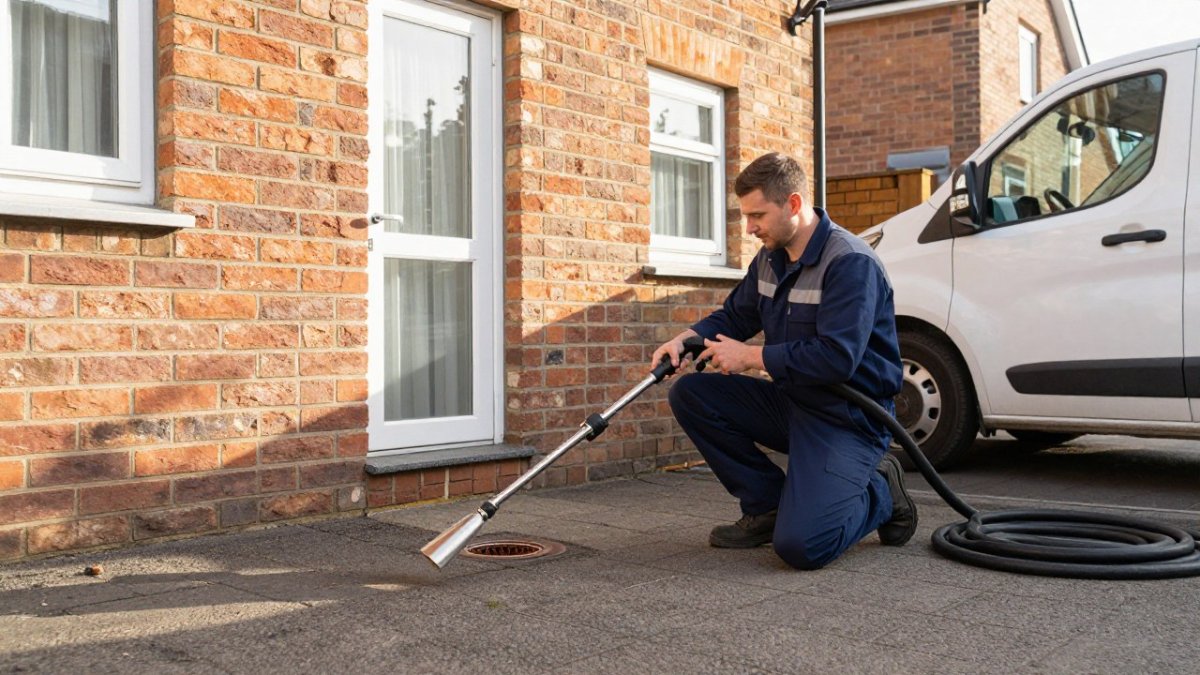
Some blockages need specialist equipment. If you have cleared the surface and the water still backs up, the cause may be deeper in the pipework. BrightFlow Limited provides drainage services across Essex and East London, including advanced hydro-jetting and high-definition CCTV surveys. Our team can look inside the pipe and work to identify the cause of the blockage. Request a quote from BrightFlow Limited to book a clearance that suits your property.
Frequently Asked Questions
Can leaves, mud or sand block an outside drain?
Yes. Leaves, mud, sand and grit are among the most common causes of an outside drain blocking, especially in autumn or after heavy rain washes loose soil and debris into the gully. Leaves mat together when wet and form a dense plug, while silt settles in the bottom of the chamber and narrows the outlet. Removing the surface debris by hand, then flushing the drain with a hosepipe, clears most of these blockages before they cause flooding.

Is it safe to use drain cleaner in an outside drain?
Chemical drain cleaners are generally not recommended for outside drains. They can struggle to break down mud and leaf matter, may not reach the blockage, and can damage pipework or harm the surrounding soil and watercourses. If you do use a product, follow the manufacturer's instructions carefully, wear gloves and eye protection, and never mix different chemicals. A physical clearance with a drain rod or a hosepipe is usually more effective and safer for outdoor drainage.
How long should you wait for an outside drain to clear after rain?
A drain that is working properly should empty within a few minutes of the rain stopping, though heavy storms can keep water standing for longer. If water is still pooling an hour or more after the rain has ended, the drain is likely partly blocked. Do not wait for it to clear on its own. Check the gully for debris, clear what you can safely reach, and test the flow with a hosepipe before the next downpour.
When should you call a professional about a blocked outside drain?
Call a professional if the blockage persists after you have cleared the grate and tested the flow, if water is backing up into the property, or if you suspect a collapsed pipe or root ingress. Drain surveys using high-definition CCTV can locate the fault accurately. BrightFlow Limited offers 24/7 emergency response across Essex and East London, with upfront, honest rates. For current prices or a quote, visit the BrightFlow Limited website.

Comments