7 Drainage Engineer Vetting and Safety Checks That Matter

Last Updated: November 3, 2026
Quick Summary
Drainage engineer vetting means confirming photo ID, industry accreditation such as SafeContractor, valid public liability and professional indemnity insurance, and a clean safety record before work starts. Run the seven checks, keep the written job confirmation, and refuse anyone who resists verification.
Checking credentials takes about ten minutes and starts with photo identification, then accreditation, then insurance.
Ring the company's published landline, not the engineer's mobile, to confirm the engineer and job reference.
A DBS checked engineer has had a Disclosure and Barring Service check reviewing any criminal record.
Ask for public liability and professional indemnity certificates and confirm the company name and expiry date.
Stop the job if an engineer lifts a heavy cover and climbs straight in alone without a gas detector.
Table of Contents
Why Drainage Engineer Vetting and Safety Matters Before You Book
What a DBS Checked Drainage Engineer Means for Your Property
Drainage Engineer Insurance: Public Liability and Professional Indemnity
The Drainage Engineer Safety Checklist to Run Through on Site
Red Flags of Unvetted Contractors and How Digital Verification Closes the Gap
Why Drainage Engineer Vetting and Safety Matters Before You Book
Drainage engineer vetting is the process of confirming that a drainage professional holds valid identification, the right insurance, recognised accreditation and a clean safety record before you allow them onto your property. Skipped checks can lead to shoddy repairs, damage disputes, and blockages that return within months.
A drainage engineer works in one of the least visible parts of your property. They lift manhole covers, enter confined spaces, and use high-pressure jetting equipment that can cause serious injury if handled badly.
The risks break into four groups:
Property damage from careless jetting or excavation
Personal injury to the engineer, which can become your liability
Poor workmanship with no guarantee or comeback
Security risk when a stranger has access to your home or premises
Below, we walk through each check in plain terms. You will learn what to ask, what to look for, and the red flags that should stop you booking.
How to Check a Drainage Engineer's Credentials Step by Step
Checking credentials takes about ten minutes and follows a clear order. Start with identity, then accreditation, then insurance. Each step closes a different gap, and each one can be verified rather than taken on trust.

Photo Identification and Company Records
Ask for photo identification before work begins. A legitimate engineer can show photo identification. Cross-check the name against the company's records.
Watch out: a logo on a van proves nothing. Vans and uniforms are easy to copy. The ID card should match the engineer standing at your door and the company named on your quote.
It is worth confirming three things:
The engineer's name matches the job sheet
The company is registered and contactable
The engineer knows the scope of the job without checking a generic script
A useful extra check is to ring the company's published landline, not the mobile number the engineer gives you, and ask them to confirm the engineer's name and the job reference. If the office cannot match the two, do not let the work start.
Industry Accreditation and Competency Assessment
Accreditation shows an engineer has been assessed against recognised standards. In drainage work, look for a competency assessment and an industry accreditation scheme such as SafeContractor. These schemes audit health and safety compliance, insurance and working practices before approving a firm.
Ask which schemes the company belongs to, then check the scheme's own register. A genuine firm will happily point you to it. Once credentials check out, it is worth knowing what guarantees and follow-up policies to ask about. SafeContractor accreditation scheme explains how approved contractors are audited.
Digital Verification of Credentials
You do not need to take the engineer's word for membership: where a scheme publishes an online register, enter the company name there and confirm the status and expiry date yourself.
A common pattern is for firms to send a job confirmation by text or email before arrival, naming the engineer and the reference number. Keep that message.
Checking credentials takes about ten minutes and follows a clear order, starting with identity and ending with insurance.
Step | What to do | What it confirms |
1 | Ask for photo identification before work begins | The engineer matches the job sheet |
2 | Cross-check the name against the company's records | The company is registered and contactable |
3 | Ring the company's published landline, not the engineer's mobile | The office can confirm the engineer and job reference |
4 | Ask which accreditation schemes the firm belongs to | Health and safety compliance has been audited |
5 | Check the scheme's own online register yourself | Status and expiry date are genuine |
6 | Keep the text or email job confirmation naming the engineer | A dated record of who attended |
What a DBS Checked Drainage Engineer Means for Your Property
A DBS checked drainage engineer has had a Disclosure and Barring Service check, which reviews any criminal record. This matters most when the engineer will work inside your home or on a rental property you manage.
The check is not a legal requirement for all drainage work, but some firms that send engineers into occupied homes ask for one as part of contractor vetting.
Ask two questions:
Is the check basic or enhanced?
How recent is it?
A basic check covers unspent convictions (Guide to Basic DBS checks). An enhanced check goes further. Neither guarantees perfect conduct, but both show the firm takes property security seriously.
Drainage Engineer Insurance: Public Liability and Professional Indemnity
Drainage engineer insurance can include public liability insurance and professional indemnity insurance. Public liability covers damage to your property or injury to third parties. Professional indemnity covers claims that the work itself was done badly.
Ask for a certificate and check three details:
The policy is current
The cover level is sensible for the job
The company name on the policy matches your quote
Watch out: a certificate that expired last year is worthless. So is a policy held by a different company from the one invoicing you.
Insurance is not a nice-to-have. High-pressure water jetting can crack a pipe or flood a garden. Excavation can sever cables. Without cover, the cost of putting it right can land on you.
The Drainage Engineer Safety Checklist to Run Through on Site
A safe engineer follows a visible routine before starting work. You do not need technical knowledge to spot it. The drainage engineer safety checklist below covers what to expect on the day.
Confined Spaces Awareness and Site Safety Protocols
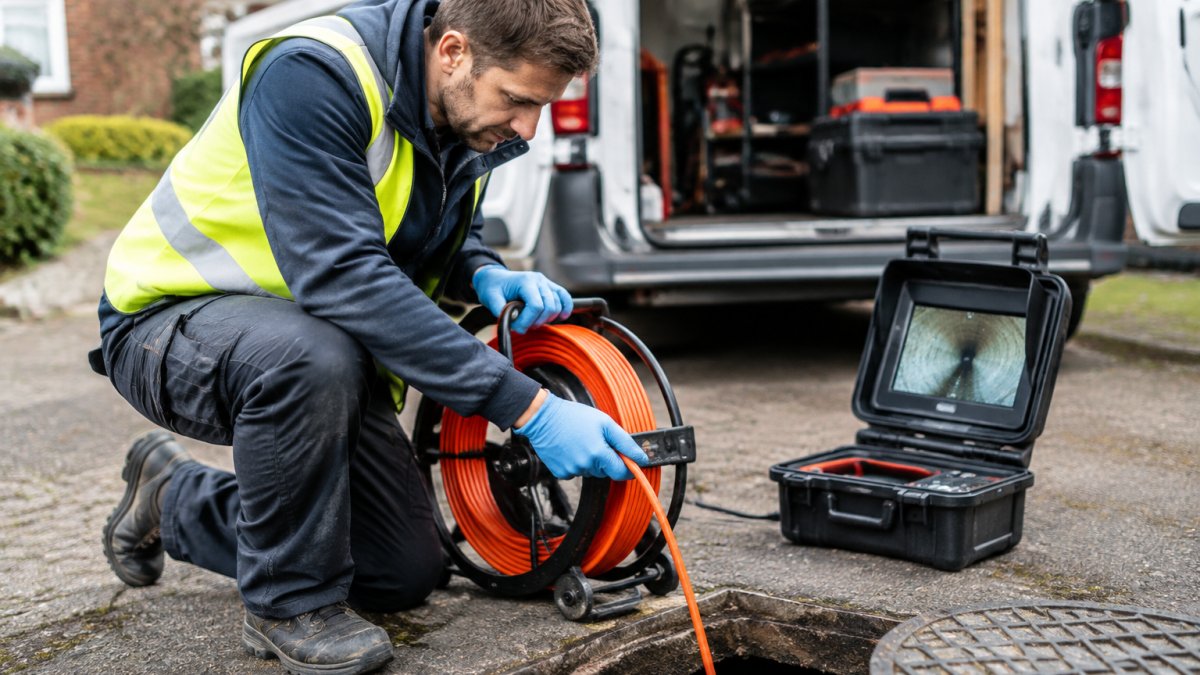
Drainage work often involves confined spaces awareness. Manholes, chambers and underground drainage systems can hold toxic gases or low oxygen. A safe engineer does not enter a confined space without appropriate precautions.
You should see:
A gas detector before any entry
Barriers or cones around open covers
A colleague standing by if entry is needed
If an engineer lifts a heavy cover and climbs straight in alone, stop the job. That is a serious safety failure, not a shortcut.
Risk Assessment, Method Statement and PPE Requirements
A professional firm may produce a risk assessment and method statement for the job. These documents identify hazards and set out how the work will be done safely. You are entitled to ask for them, particularly on commercial premises.
Site safety protocols also cover the basics:
Safe routing of hoses so nobody trips
Clean containment of waste and debris
A tidy finish with covers replaced and secured
Red Flags of Unvetted Contractors and How Digital Verification Closes the Gap
Most unvetted contractors give themselves away before any work starts. The warning signs are consistent, and they are easy to spot once you know them. This section is written from the homeowner's side of the doorstep, because that is where the decision actually gets made.
Doorstep Red Flags
The main red flags:
Cash-only demands with no written quote
No fixed address or a mobile number as the only contact
Pressure to start immediately, before you have checked anything
Reluctance to show ID or insurance
No paperwork for the job or the waste removed
A different company name on the van, the ID card and the quote
No landline and no registered company number you can look up
Refusal to let you photograph the ID card or certificate
Watch out: the most common pattern is a plausible story about a "cancelled job nearby" and a discounted price if you agree on the spot. A vetted firm does not need to create urgency at your door.
A Homeowner's Verification Checklist
Before you let anyone start, run through this list. It takes a few minutes and it is the single most useful thing you can do.
Ask for photo ID and check the name against the job sheet.
Ring the company's published number and confirm the engineer and the job reference.
Ask which accreditation scheme the firm belongs to and check the online register yourself.
Ask for the public liability and professional indemnity certificates and confirm the company name and expiry date.
Ask whether the engineer is DBS checked if they will be inside your home alone.
Ask for the risk assessment and method statement, particularly for commercial premises.
Confirm in writing what the job covers and what happens to the waste.
If any of those seven steps is refused, that is your answer. A vetted firm expects to be checked and will help you do it.
How Digital Verification Closes the Gap
Digital verification is closing the gap between what a firm claims and what you can confirm. Many accreditation schemes now offer online registers where you can confirm a firm's status in minutes. Some firms send a digital ID or job confirmation by text before arrival. That gives you a record of who attended and when, which matters for property security and for any later dispute.
Our own team is SafeContractor accredited and approved to receive work through EVO, Able Group/Viabl Ltd and OnTime Plumbers.
Request a Quote from a Fully Vetted Drainage Team
Vetting is not red tape. It is how you protect your property, your budget and your peace of mind. Run the seven checks, ask for the paperwork, and walk away from anyone who resists.
If you want a team that has already passed those checks, we can help. See our domestic drainage service across Essex and East London. BrightFlow Limited offers 24/7 emergency response, upfront honest rates with no hidden surprises, and advanced hydro-jetting and high-definition CCTV technology. BrightFlow Limited is fully insured and SafeContractor accredited.
If you need urgent help, BrightFlow Limited offers 24/7 emergency response. Visit our emergency drain unblocking page for Essex to call now.
Frequently Asked Questions
How do I check whether a drainage engineer is qualified?
Ask for the engineer's photo identification, their company registration details and evidence of industry accreditation such as SafeContractor approval. Cross-check the company name against the accreditation body's online register rather than relying on a logo on a van. If any document cannot be produced on request, treat that as a reason to pause before work begins.
What insurance should a drainage engineer have?
Two policies matter most. Public liability insurance covers damage to your property or injury to a third party while the engineer is on site, and professional indemnity insurance covers claims arising from faulty advice or defective technical reporting, such as a misread CCTV drainage survey. Ask to see a current certificate and check the policy is still in date and the cover level is stated. A legitimate contractor will send this without hesitation; reluctance to share it is one of the clearest red flags of an unvetted trader.
Should I ask for a DBS check before hiring a drainage engineer?
Ask if the engineer will be working alone inside your home, in a rental property you do not occupy, or on a site with children or vulnerable adults. A basic DBS check confirms unspent convictions and is a reasonable request in those situations, particularly for property managing agents. Some firms put engineers through checks as standard. If a company cannot confirm its vetting process, ask what alternative safeguards it uses, such as paired working or supervisor sign-off.
What safety checks should a drainage engineer carry out before starting work?
Before work starts, ask whether a risk assessment and method statement will be provided, describing the task, the equipment and the controls in place. Ask where the isolation valves are and confirm the area is cordoned off. A drainage engineer safety checklist completed and signed before work begins shows the firm takes health and safety compliance seriously.
The difference between a repair that lasts and one that fails within months usually comes down to who did the work and how they diagnosed it. Get started with BrightFlow Limited and book a fully vetted engineer who will find the cause, not just clear the symptom.

Comments