How to Find Hidden Drain Leaks: A Step-by-Step Guide

Last Updated: 23 October 2026
Quick Summary
To find hidden drain leaks, use the water meter test to confirm water is escaping, then the dye test to narrow the leak to a specific pipe run. If DIY tests point to a fault but cannot locate it, book a CCTV drain survey before anyone digs.
A drain that gurgles, smells and still empties is leaking, not blocked.
The water meter test: turn off all water, note the reading, wait an hour and check for movement.
In the dye test, add food colouring upstream and watch for 30 to 60 minutes.
Book a CCTV survey when the leak sits under a building, driveway or boundary.
Never pour chemical drain cleaner into a drain you suspect is leaking.
Table of Contents
How to Find Hidden Drain Leaks: What You're Looking For
Signs of a Leaking Drain Pipe You Should Not Ignore
Smells, Damp and Sinkholes: Reading the Warning Signs
What You'll Need Before You Start
How to Detect an Underground Drain Leak: DIY Methods That Work
The Water Meter Test and Dye Test Explained
When a CCTV Drain Survey for Leaks Is the Right Call
The Cost of a Drain Survey and What Affects It
Common Mistakes to Avoid When Hunting a Hidden Leak
When to Call a Drainage Specialist
Frequently Asked Questions
How to Find Hidden Drain Leaks: What You're Looking For
A hidden drain leak is a crack, joint failure or root opening in a pipe that lets wastewater escape underground or inside a wall, floor or ceiling void. Because the pipe is buried or boxed in, the leak rarely shows as a puddle. It shows as damp, smell or subsidence instead.
That is the core difficulty with how to find hidden drain leaks: you are hunting a fault you cannot see, using clues that appear metres away from it. Water travels along the outside of a pipe, through soil or a floor slab, and surfaces somewhere unhelpful.
Below, we walk through the warning signs, the DIY tests that genuinely work, and the point where a camera survey saves you money. First, though, here is what most guides get wrong: they tell you to look for water. You should be looking for what water leaves behind.
Signs of a Leaking Drain Pipe You Should Not Ignore
The clearest sign of a leaking drain pipe is a smell of sewage that appears without a blockage. A drain that gurgles, smells and still empties is leaking, not blocked.
Other warning signs that many people dismiss:
Damp patches on a ground-floor wall or floor, especially near a soil stack
Brickwork or render that stays wet in dry weather
A sinkhole or soft, sunken patch in a lawn or driveway
Rats or flies gathering around a drain or gully
Cracks in a path, patio or conservatory floor
Green, lush grass in a strip above a drain run
Smells, Damp and Sinkholes: Reading the Warning Signs
Damp alone proves nothing. Damp plus smell is a strong signal.
Water escaping a drain carries organic matter and bacteria. That is why the ground stays wet and the air smells. If the damp patch tracks in a line between two drain covers, you are likely looking at a joint failure along that run.
A sinkhole is the late-stage warning. Soil has been washed into the pipe, leaving a void under the surface. Treat any sunken patch over a drain run as urgent and keep people and vehicles off it.
What You'll Need Before You Start
Before you lift a cover, gather a few basics. You do not need specialist kit for the first checks.
A torch with a strong beam
Rubber gloves and eye protection
A drain lifting key or flat-head screwdriver
A bucket of water
Food colouring or a drain dye tablet
A notebook and phone camera
A torch-lit photo of your water meter reading
Safety first: never lift a heavy cast-iron cover alone, and never open a chamber that is deeper than your arm without a second person present. Manholes are confined spaces with poor air. If a chamber looks deep or smells strongly of gas, stop and call a specialist.
How to Detect an Underground Drain Leak: DIY Methods That Work
Two tests find most underground drain leaks: the water meter test and the dye test. Both are cheap, safe and take under an hour.

The Water Meter Test and Dye Test Explained
The water meter test tells you whether water is escaping anywhere on the system. Turn off every tap and appliance. Note the meter reading. Wait an hour without using water. If the dial has moved, water is going somewhere it should not.
A common mistake is running this test with a dripping tap or a toilet cistern that refills itself. Check those first, or the result means nothing.
The dye test narrows the leak to a specific pipe run. Add food colouring to a toilet cistern or pour it into a drain upstream. Do not flush. Watch the downstream chamber, the garden and any damp patch for 30 to 60 minutes. Coloured water appearing where it should not confirms the leak and points to the section of pipe responsible.
Pro Tip Run the dye test on a dry day, and photograph the damp patch before and after. The colour change is often subtle, and a timestamped photo is the evidence a surveyor or insurer will ask for.
When a CCTV Drain Survey for Leaks Is the Right Call
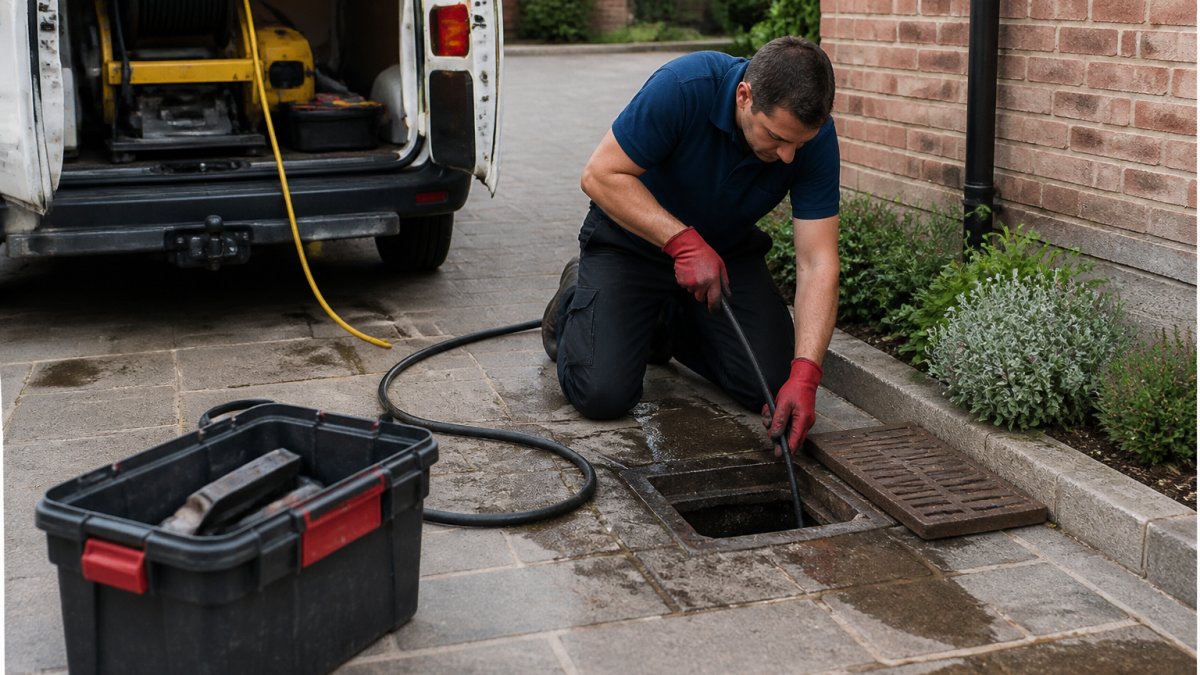
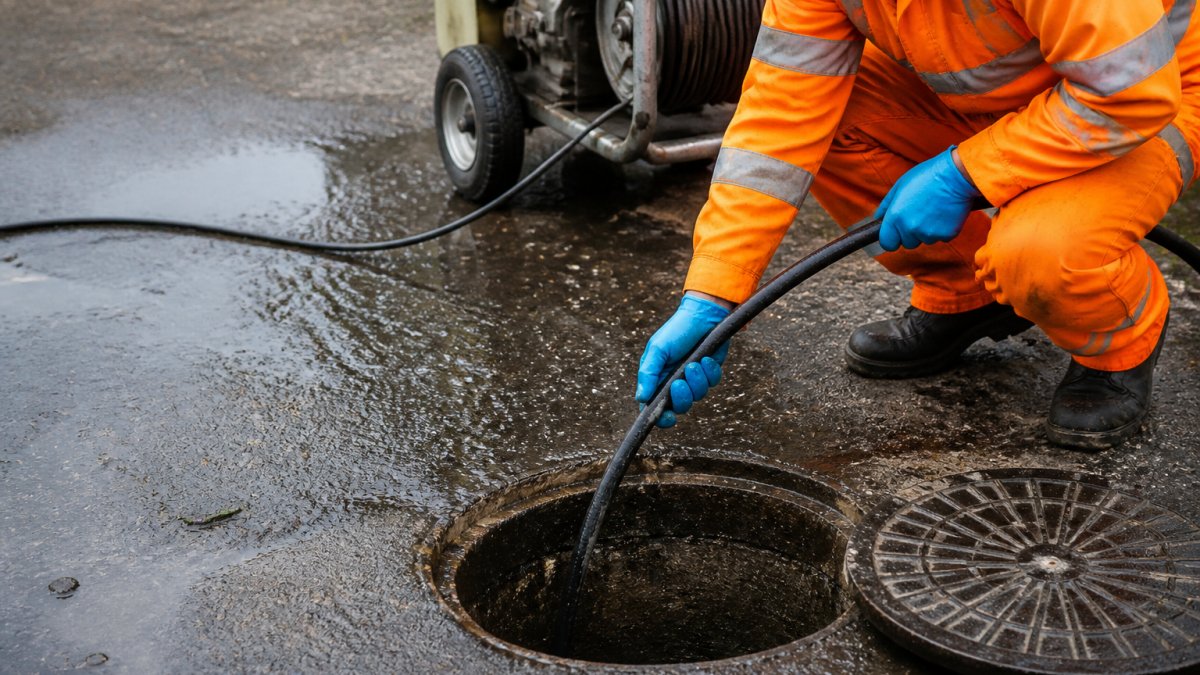
A CCTV drain survey for leaks is the right call when DIY tests point to a fault but cannot locate it, or when the leak sits under a building, driveway or boundary. A camera on a flexible rod travels the pipe and shows the crack, displaced joint or root ingress on screen.
Book a survey when:
The dye test confirms a leak but the source is unclear
The leak is under a structure you cannot dig up
You are buying a property and want the drains checked before exchange
A previous repair has failed and you need to know why
Your insurer or a solicitor asks for evidence
The camera also records the pipe's condition and depth, which a digging contractor needs before quoting. Skipping the survey often means digging in the wrong place, then digging again.
The Cost of a Drain Survey and What Affects It
The cost of a drain survey varies with access, pipe length and whether a full report is needed. We quote each job individually rather than publish a flat rate, because two surveys rarely involve the same work.
What moves the price:
Access: a chamber in a driveway is quicker than one under decking
Run length: longer pipe runs take longer to camera and record
Blockages: a drain needs clearing before the camera can pass
Report level: a basic recording costs less than a written report with drawings for a solicitor
Out-of-hours: evening and weekend call-outs carry a premium
Ask for a fixed quote before work starts, and ask what the report includes. A cheap survey with no written findings is rarely a bargain if you need it for a house purchase or an insurance claim.
Common Mistakes to Avoid When Hunting a Hidden Leak
The biggest mistake is assuming a smell means a blockage. People pour chemicals down the drain, the smell fades, and the leak keeps running under the floor.
Other errors we see regularly:
Digging before surveying, then missing the fault by a metre
Testing with water running elsewhere in the house, which ruins the meter test
Ignoring a second damp patch because the first one was "fixed"
Using a handyman for a structural pipe fault that needs a camera and a proper repair
Not photographing evidence for insurance before repairs begin
Watch Out Never pour chemical drain cleaner into a drain you suspect is leaking. The chemicals can escape through the crack into soil and surrounding ground, and they corrode the pipe further, turning a small repair into a full replacement.
When to Call a Drainage Specialist
Call a drainage specialist when the leak is under a structure, when a sinkhole has formed, when sewage is surfacing, or when two DIY tests point to the same fault. Those cases need camera equipment, safe access and a proper repair, not another bottle of dye.
Our engineers use high-definition CCTV to find the fault before anyone lifts a spade, and we give upfront, honest rates with no hidden surprises. As a SafeContractor-accredited team, we work to recognised safety standards on every job, and our 24/7 emergency response means a leak at 11pm gets the same attention as one at noon.
You can also read official guidance on private drainage from Ofwat's advice for customers on sewer and drainage responsibilities and check what your property insurer requires before you authorise repairs.
Frequently Asked Questions
What are the signs of a hidden drain leak?
The clearest signs of a leaking drain pipe include a persistent sewage or musty smell near drains, damp patches or discoloured walls at low level, unexplained dips or soft spots in paving or lawn, and slow-draining fixtures even after clearing a blockage. You may also notice extra green growth in one patch of the garden or a higher water bill with no change in usage. If two or more of these appear together, treat it as a hidden drain leak until proven otherwise and arrange an inspection.
Can I detect an underground drain leak without digging?
Yes, in most cases. Start with the water meter test: turn off every tap and appliance, note the meter reading, wait an hour and check again. Any movement suggests a leak somewhere on the supply side. A dye test, where you add food colouring to a toilet cistern or drain and watch for coloured water appearing in the garden or at a crack, can confirm a drain leak without excavation. A CCTV drain survey for leaks then pinpoints the exact location before anyone lifts a spade.
How much does a drain survey cost?
The cost of a drain survey depends on the length of pipework, access points, and whether you need a full CCTV inspection or a simpler targeted check. Pricing varies by property and scope, so ask for an upfront quote before work begins. BrightFlow Limited offers upfront, honest rates with no hidden surprises, so you know what you are paying before any camera goes down the drain.
When should I call a drainage specialist about a suspected leak?
Call a specialist if you smell sewage indoors, see sewage backing up into multiple fixtures, notice a sinkhole or collapsed patch in the garden, or if your DIY checks point to a leak you cannot locate. Recurring blockages in the same spot are another red flag, since a displaced or cracked pipe is often the true cause. A professional CCTV drain survey for leaks confirms the fault and gives you a written diagnosis before any repair is agreed.
A hidden leak rarely fixes itself, and every week it runs costs more in damage than the repair would have. If your tests point to a fault you cannot pin down, stop guessing and get it surveyed properly. BrightFlow Limited offers high-definition CCTV diagnostics, upfront fixed quotes and 24/7 emergency response for homes and commercial sites across the region. Request a quote and we will find the leak before it finds your foundations.
Request a Quote
Add brightflowlimited.co.uk as a preferred source on Google →
Comments