How to Clear a Blocked Kitchen Sink: Step-by-Step

Table of Contents
Why Your Kitchen Sink Gets Blocked
How to Unblock a Sink with a Plunger
How to Clean a Kitchen Sink Trap
Using Bicarbonate of Soda and Vinegar for a Blocked Sink
How to Unblock a Sink Without Chemicals
Common Mistakes to Avoid
When to Call a Professional Plumber
Conclusion
Frequently Asked Questions
Last Updated: October 19, 2026
Why Your Kitchen Sink Gets Blocked
A blocked kitchen sink is one of the most common household drainage problems. Food debris, grease, and soap scum build up inside your pipes over time. The blockage gets worse as more material accumulates.
Several factors cause kitchen sink blockages:
Grease and oil solidify as they cool, coating pipe walls
Food particles catch on rough spots inside pipes
Soap residue combines with other debris to form clogs
Hair and fibres tangle with food waste
Mineral deposits from hard water narrow the pipe opening
Most blockages happen gradually. You might notice water drains slowly at first, then stops completely. Acting quickly prevents the problem from worsening and damaging your plumbing system.
The good news is that many blockages can be cleared without calling a professional. We'll show you how to tackle this yourself using simple tools and methods.
Pro Tip The earlier you address a slow drain, the easier it is to clear. Don't wait until water backs up completely, that's when the blockage is most stubborn.
How to Unblock a Sink with a Plunger
A plunger is your first weapon against a blocked kitchen sink. It works by creating pressure that dislodges the blockage and forces it through the pipes.

Here's how to use a plunger correctly:
Fill the sink with enough water to cover the plunger cup completely
Block the overflow hole at the top of the sink with a wet cloth (this keeps pressure inside the pipes)
Place the plunger over the drain opening and push down firmly
Pump rapidly 15-20 times without lifting the plunger
Pull up quickly to break the seal and release pressure
Repeat this cycle 5-10 times
The plunger works best on fresh blockages that haven't hardened yet. You should feel resistance as you pump, that's the pressure working on the blockage.
If water starts draining after a few attempts, continue plunging for another minute to clear remaining debris. Run hot water down the drain afterwards to flush away loosened material.
Watch Out Never plunge if you've already poured chemical drain cleaners into the sink. The pressure can splash caustic liquid back at you.
How to Clean a Kitchen Sink Trap
The trap is the U-shaped pipe under your sink. It holds water to seal out sewer gases, but it also catches debris. Cleaning the trap often solves a blocked kitchen sink problem.
Before you start, place a bucket underneath the trap to catch water and debris. Loosen the slip nuts on both sides of the trap using a wrench. Turn them anticlockwise, hand-tight is usually enough.
Once loose, carefully remove the trap and empty its contents into the bucket. You'll likely find a mixture of food particles, grease, and soap scum. Use an old toothbrush or small wire brush to scrub the inside of the trap thoroughly.
Rinse the trap under running water to remove all debris. While the trap is off, use a straightened wire coat hanger to probe the pipes above and below the trap. Push the wire in gently to break up any blockages hiding deeper in the system.
Reattach the trap by hand-tightening the slip nuts. Check underneath for leaks by running water down the drain. If water drips from the connections, tighten the nuts a quarter turn more.
Step | Action | Time |
1 | Position bucket and loosen slip nuts | 2 minutes |
2 | Remove and empty trap | 3 minutes |
3 | Scrub trap clean | 5 minutes |
4 | Probe pipes with wire | 3 minutes |
5 | Reattach and test | 5 minutes |
Key Takeaway Most kitchen sink blockages live in the trap. Cleaning it often solves the problem without needing stronger methods.
Using Bicarbonate of Soda and Vinegar for a Blocked Sink
Bicarbonate of soda and vinegar create a chemical reaction that breaks down blockages naturally. This method works well on a blocked kitchen sink caused by grease and organic material.
Pour half a cup of bicarbonate of soda directly down the drain. Follow it immediately with half a cup of white vinegar. The mixture will fizz and bubble, that's the reaction working on the blockage.
Cover the drain opening with a plug or cloth to keep the reaction inside the pipe. Let it sit for 30 minutes. The fizzing action helps dislodge debris stuck to pipe walls.
After 30 minutes, boil a kettle of water and pour it slowly down the drain. The hot water flushes away the loosened debris and any remaining bicarbonate of soda residue.
For stubborn blockages, repeat this process twice. Wait 30 minutes between applications. This method is safe for all pipe types and doesn't damage your plumbing system.
Many people find this approach effective because it's gentle but persistent. The reaction happens over time rather than all at once, giving it more opportunity to work on tough blockages.
How to Unblock a Sink Without Chemicals
Chemical drain cleaners work quickly, but they're harsh on pipes and dangerous to handle. Several non-chemical methods clear a blocked kitchen sink safely.
The wire probe method is simple and effective. Straighten a wire coat hanger and create a small hook at one end. Feed it down the drain and fish around for blockage material. Pull up anything you catch and discard it. This manual method takes patience but produces results without any risk.
A wet vacuum can suck out blockages if you have one available. Cover the overflow hole first, then place the vacuum hose over the drain. Set the vacuum to wet mode and turn it on. The suction often pulls up trapped debris.
Hot water alone helps with minor blockages. Boil several kettles and pour them steadily down the drain. The heat softens grease and sometimes loosens blockages enough for water to flow through again.
Enzyme-based drain cleaners are another safe option. They contain natural enzymes that break down organic material over several hours. These work more slowly than chemical cleaners but won't damage your pipes.
Watch Out Never mix different drain cleaning methods. Combining chemicals creates toxic fumes that are dangerous to breathe.
Common Mistakes to Avoid
Many people make the situation worse by trying the wrong approach first. Understanding common errors helps you clear your blocked kitchen sink faster.
Don't use a plunger if the blockage is solid and won't budge. Pushing harder just tires you out. Switch to a different method instead.
Avoid pouring boiling water directly onto plastic pipes. The heat can warp or crack them. Let the water cool slightly before pouring, or use it only on metal pipes.
Never ignore a slow drain hoping it will fix itself. Blockages get progressively worse. A drain that takes 10 seconds longer to empty will eventually stop draining completely.
Don't assume you need a professional right away. Most household blockages clear with basic tools. Save professional help for situations where your own efforts fail.
Resist the urge to use multiple chemical products in sequence. Each one needs time to work. Mixing methods wastes money and creates hazardous fumes.
When to Call a Professional Plumber
Some blockages require professional help. Knowing when to stop trying yourself saves time and prevents pipe damage.
Call a professional if the blockage affects multiple drains in your home. This suggests a problem deeper in your main drainage system, not just your kitchen sink. A single-sink blockage usually stays isolated.
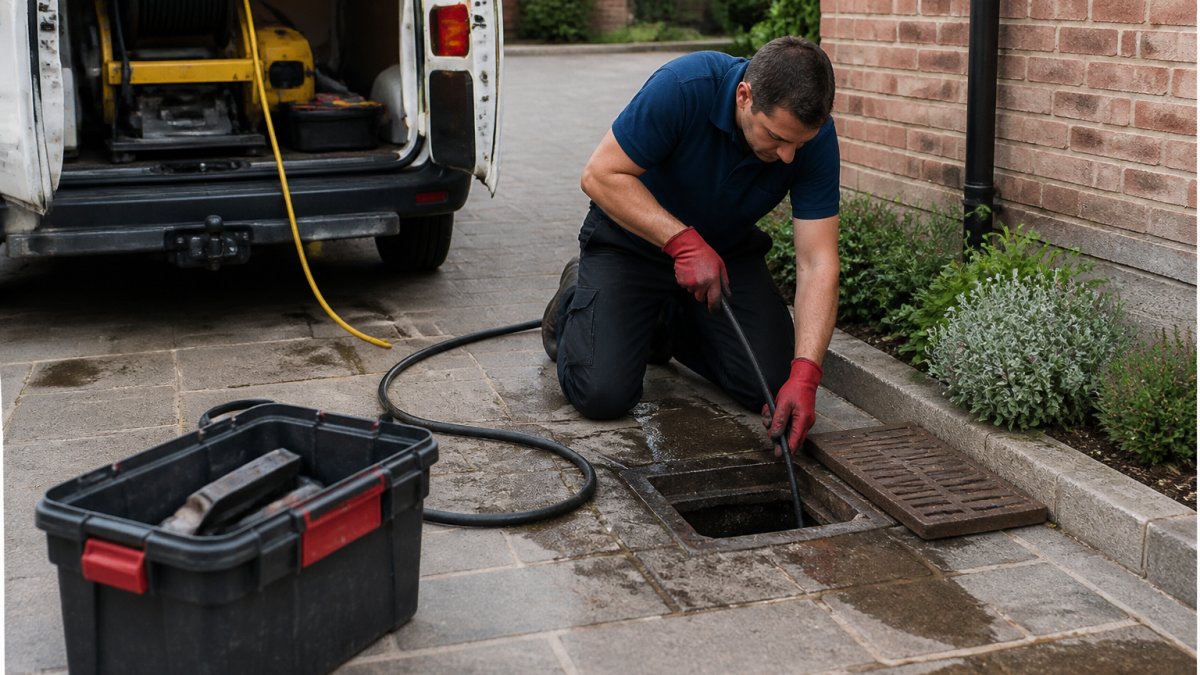
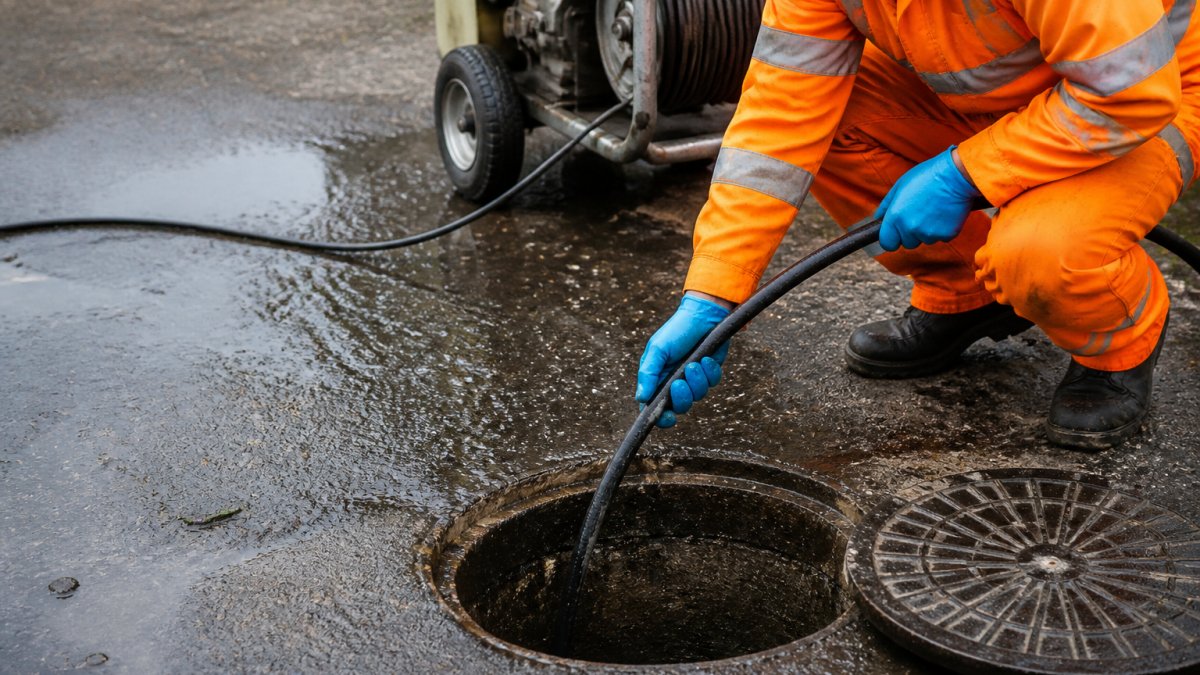
If you've tried plunging, cleaning the trap, and using bicarbonate of soda without success, the blockage is likely too far down the pipe to reach manually. Professional equipment like drain rods or hydro-jetting can clear these deep blockages.
Recurring blockages in the same location point to a structural problem. Tree roots, collapsed pipes, or misaligned sections cause repeated clogs. Professional diagnostics using CCTV cameras identify these issues so they can be properly repaired.
Water backing up into other fixtures, like your bath or shower, indicates a serious blockage or damaged pipe. This needs immediate professional attention.
BrightFlow Limited offers 24/7 emergency drainage services across Essex and East London. Our team uses advanced CCTV technology to diagnose exactly what's causing your blockage. We provide upfront, honest rates with no hidden surprises. If your DIY efforts haven't worked, we're here to help.
According to the Building Regulations Approved Document H, drainage systems must be maintained to prevent blockages and flooding. Professional maintenance plans ensure your system stays compliant and functional.
Best For Professional drainage services are best for blockages affecting multiple drains, recurring problems, or situations where DIY methods have failed.
Conclusion
Most kitchen sink blockages clear with simple tools and methods you already have at home. A plunger, wire probe, or bicarbonate of soda combination solves the majority of cases within an hour.
The key is acting quickly. Slow drains become complete blockages if left unaddressed. Start with the gentlest method first, plunging, and progress to stronger approaches only if needed.
Frequently Asked Questions
What is the quickest way to unblock a kitchen sink?
A plunger is often the fastest first step if you have standing water. Fill the sink with a few inches of water, place the plunger over the drain, and pump vigorously 15-20 times. If that doesn't work, try removing and cleaning the trap underneath, which catches most debris. For many blockages, this two-step approach clears the problem within 30 minutes without chemicals.
Can boiling water unblock a kitchen sink?
Boiling water works for grease-based blockages because it melts the buildup. Pour a kettle of boiling water slowly down the drain and wait 5-10 minutes. Repeat if needed. However, this method is less effective for solid debris like food particles or hair. Always ensure the sink is empty before pouring, and be careful not to splash yourself.
Can bicarbonate of soda and vinegar clear a blocked sink?
Yes. Pour half a cup of bicarbonate of soda down the drain, followed by half a cup of vinegar. Cover the drain and let it sit for 30 minutes while the fizzing action breaks down debris. Then flush with boiling water. This natural method works well for minor blockages and is safe for all pipe types, though stubborn blockages may need additional steps.
When should you call a professional plumber for a blocked kitchen sink?
Contact a plumber if water backs up into other drains, the blockage returns within weeks, you smell sewage, or DIY methods have failed after 2-3 attempts. Recurring blockages often signal a deeper issue like tree roots, collapsed pipes, or misaligned joints that require professional diagnosis. Professional plumbers use CCTV cameras and hydro-jetting equipment to identify and resolve the root cause.
If your blocked kitchen sink persists after trying these methods, or if blockages keep returning, professional help makes sense. BrightFlow Limited provides expert drainage diagnostics and clearing services with transparent pricing and 24/7 availability. Our SafeContractor accreditation and advanced CCTV technology mean you get accurate diagnosis and reliable solutions. Request a quote today and restore your drainage system to full capacity.
Request a Quote
Comments